Blocked arteries, medically known as coronary artery disease (CAD), play a major role in heart disease and cardiovascular complications. This condition develops gradually and often goes unnoticed until blood flow to the heart becomes significantly restricted. While surgical treatments such as angioplasty or bypass surgery are sometimes necessary, many patients, particularly those in early or moderate stages, can successfully manage blocked arteries without surgery.
Under the guidance of Dr Omar Aziz Rana, patients receive thorough evaluations to determine whether non-surgical management can effectively control disease progression. This article provides a thorough overview of managing blocked arteries without surgery, while also clarifying when surgical treatment is required.

Understanding Blocked Arteries
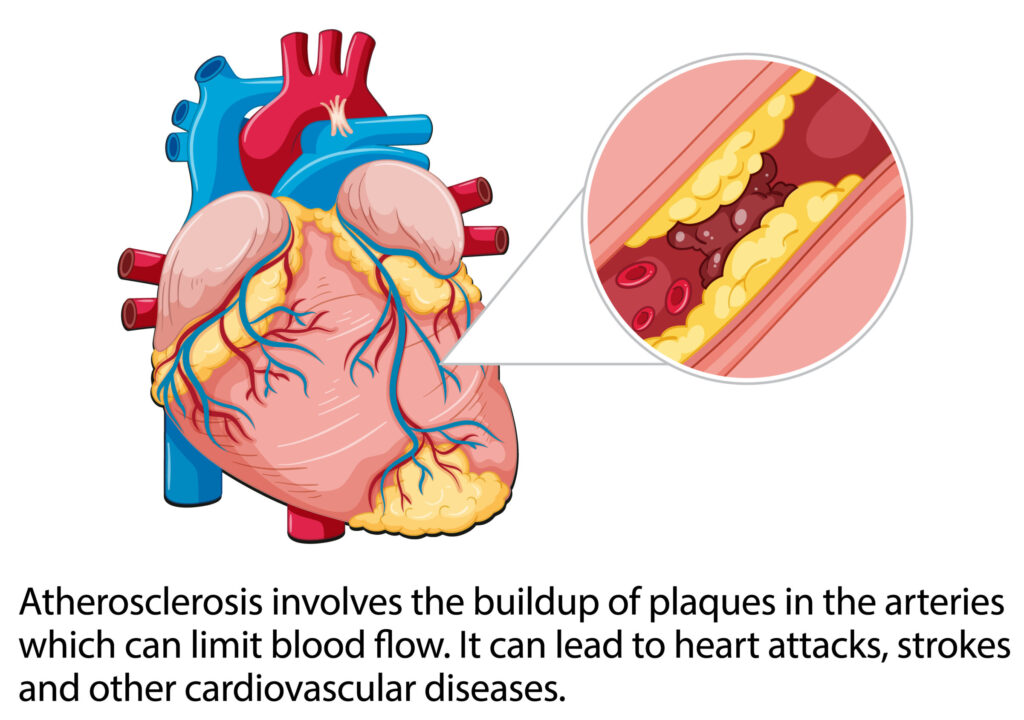
Blocked arteries develop from a gradual buildup of plaque inside the coronary arteries. This process, known as atherosclerosis, narrows the arterial opening and restricts oxygen-rich blood flow to the heart muscle. When blood supply diminishes, cardiac function can become impaired, increasing the risk of angina or a heart attack.
Key clinical points:
- Plaque consists of cholesterol, fat, calcium, and inflammatory cells.
- Narrowed arteries reduce myocardial oxygen supply.
- Severity depends on plaque size, location, and stability.
Causes of Coronary Artery Disease
Blocked Arteries develop from multiple factors and typically progress over many years.
Common Contributing Factors Include:
- Elevated LDL cholesterol and triglycerides
- Chronic high blood pressure causes arterial damage.
- Smoking and tobacco exposure
- Physical inactivity and a sedentary lifestyle
- Diabetes mellitus and insulin resistance
- Obesity and poor dietary habits
- inherited traits and family history
Symptoms of Blocked Arteries
Symptoms vary depending on the extent of arterial narrowing. In the early stages, patients frequently encounter no symptoms at all. As the disease advances, however, warning signs become more apparent.
Frequent signs are:
- Chest pain or tightness (angina)
- Shortness of breath, especially on exertion
- Fatigue and reduced exercise tolerance
- Palpitations or irregular heartbeat
- Dizziness or fainting in advanced cases
Non-Surgical Approaches to Managing Blocked Arteries
Non-surgical management serves a vital role for patients with early to moderate coronary artery disease, or for those who aren’t immediate candidates for invasive procedures. These approaches work to slow disease progression, stabilise plaque, and reduce cardiovascular risk through proven clinical treatments.
Lifestyle changes form the foundation of non-surgical management for coronary artery disease. When patients adopt these changes consistently, they can meaningfully slow plaque progression and strengthen overall cardiovascular health.
Essential lifestyle interventions include:
- Heart-healthy diet: Emphasising fruits, vegetables, whole grains, fatty fish, olive oil, nuts, and legumes
- Consistent exercise routine: At least 150 minutes of moderate-intensity aerobic exercise weekly
- Weight management: Achieving and maintaining a healthy body mass index
- Smoking cessation: Eliminating tobacco exposure to protect the arterial lining
- Stress management: Using relaxation technique support arterial health more than it additionally improves how well medical therapy works.
When lifestyle changes alone aren’t enough, medication becomes necessary to control disease progression and complications.
Commonly prescribed medication groups include:
- Statins to lower LDL cholesterol and stabilise plaque
- Antiplatelet agents to reduce clot formation
- Beta-blockers to decrease heart rate and oxygen demand
- ACE inhibitors or ARBs for vascular protection
- Nitroglycerin for angina relief
- Ranolazine for medical therapy is carefully customized for each patient’s disease severity, other health conditions, and individual response to treatment.
Advanced Non-Surgical and Minimally Invasive Therapies
Some patients may benefit from specialised non-surgical or minimally invasive interventions.
Available options include:
- Enhanced External Counterpulsation (EECP): A non-invasive therapy that improves coronary blood flow and reduces angina symptoms.
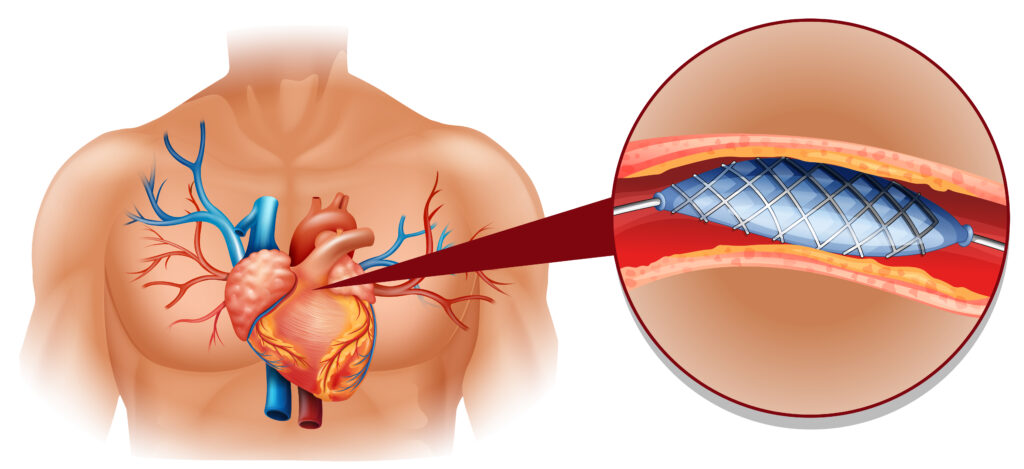
- Percutaneous Coronary Intervention (PCI): Balloon angioplasty or stent placement for significant but localised blockages.
- Repair-based therapies: Experimental approaches such as stem cell therapy are currently under clinical research.
These options are considered only after careful diagnostic evaluation.
Natural and Complementary Measures for Arterial Health
Natural and complementary therapies may complement medical treatment when used under proper supervision. Although these measures can’t replace proven therapies, they can make an important difference to overall cardiovascular wellness.
Dietary and Nutritional Support
Nutrition plays a central role in managing both cholesterol and inflammation in the vascular system.
Helpful dietary components include:
- Omega-3 fatty acids from fatty fish
- Soluble fibre from oats, barley, and legumes
- Garlic and plant sterols for cholesterol control
- Antioxidant-rich foods such as berries and leafy greens
Physical Activity and Cardiac Monitoring
Regular exercise routines improve blood vessel function and cardiovascular endurance. Consistent monitoring helps ensure the disease remains stable.
Key practices include:
- Structured aerobic exercise routines
- Periodic heart health tests, including lipid profile and ECG
- Stress testing when clinically indicated
- Follow-up with a qualified heart specialist
Important Clinical Considerations
While non-surgical approaches can be highly effective, careful evaluation is necessary to guarantee patient safety and treatment success.
Importance of Early Diagnosis
Early identification of arterial blockages allows for prompt treatment and significantly improves long-term outcomes. Diagnostic tools such as lipid profiles, stress testing, and imaging studies help doctors determine disease severity.
When Non-Surgical Management May Not Be Enough
Non-surgical treatments do have limitations for patients with advanced or unstable coronary artery disease.
- Severe arterial narrowing or multivessel disease
- Persistent symptoms despite optimal medical therapy
- High risk of myocardial infarction or sudden cardiac events
In these situations, interventional or surgical procedures may become necessary to restore adequate blood flow.
Need for Specialist Consultation
Managing blocked arteries should always be personalised to each patient. Regular appointments with a heart specialist or cardiology team help ensure appropriate therapy modifications and long-term disease control.
Complications of Untreated Blocked Arteries
Without proper management, coronary artery disease can lead to:
- Heart attack
- Stroke
- Heart failure
- Peripheral artery disease
- Life-threatening arrhythmias
Timely management can greatly reduce these risks.

Conclusion
Managing coronary artery disease without surgery is entirely possible with an organized strategy that combines lifestyle interventions, diet, exercise, and medications. Early detection, routine check-ups, and guidance from an experienced heart specialist like Dr Omar Aziz Rana can greatly reduce your risk of problems and boost your quality of life.
Book your consultation today to receive a personalised plan for safe, effective, non-surgical management of blocked arteries.
FAQs
How would I know if my arteries are blocked?
You can check by symptoms: chest pain, shortness of breath, and fatigue or by a heart blockage test.
Can lifestyle changes alone clear blocked arteries?
Early-stage blockages can improve significantly with diet, exercise, and weight management. Medications may be required in moderate cases.
How long does it take to see results from lifestyle changes?
One can notice Improvements in cholesterol, blood pressure, and arterial function within 4-12 weeks of consistent interventions.
Can natural methods really clear blocked arteries effectively?
Natural non-surgical methods are effective for prevention and early-stage CAD, but must be combined with medical supervision.
Is surgery unavoidable for all blocked arteries?
Severe or unstable blockages may require PCI or stent placement. Early detection allows for non-surgical management in most cases.
What are the best foods for heart health?
Some of the best foods for heart health are fatty fish, leafy greens, berries, beans, garlic, olive oil, avocados, and oats.