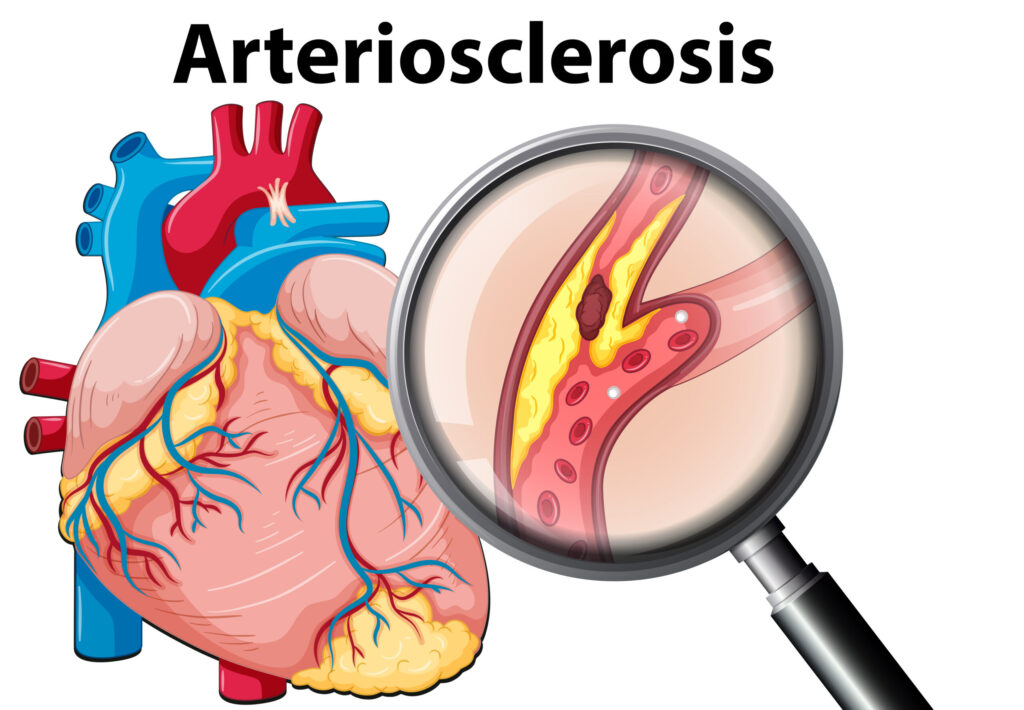
Coronary artery disease is one of the most common and serious forms of heart disease. It occurs when the arteries supplying blood to your heart muscle become narrowed or blocked. These arteries are called the coronary arteries, which play a vital role in keeping your heart healthy and functioning properly. When blood flow decreases, your heart may not receive enough oxygen, which can lead to signs such as chest discomfort, fatigue, or more serious complications such as a heart attack.
Coronary heart disease often progresses slowly and may not result in obvious symptoms in its early stages. This is why awareness, early diagnosis, and early medical care are so important. Understanding why the coronary arteries are so important can help in recognizing the significance of maintaining heart health.
Why the Coronary Arteries Are So Important
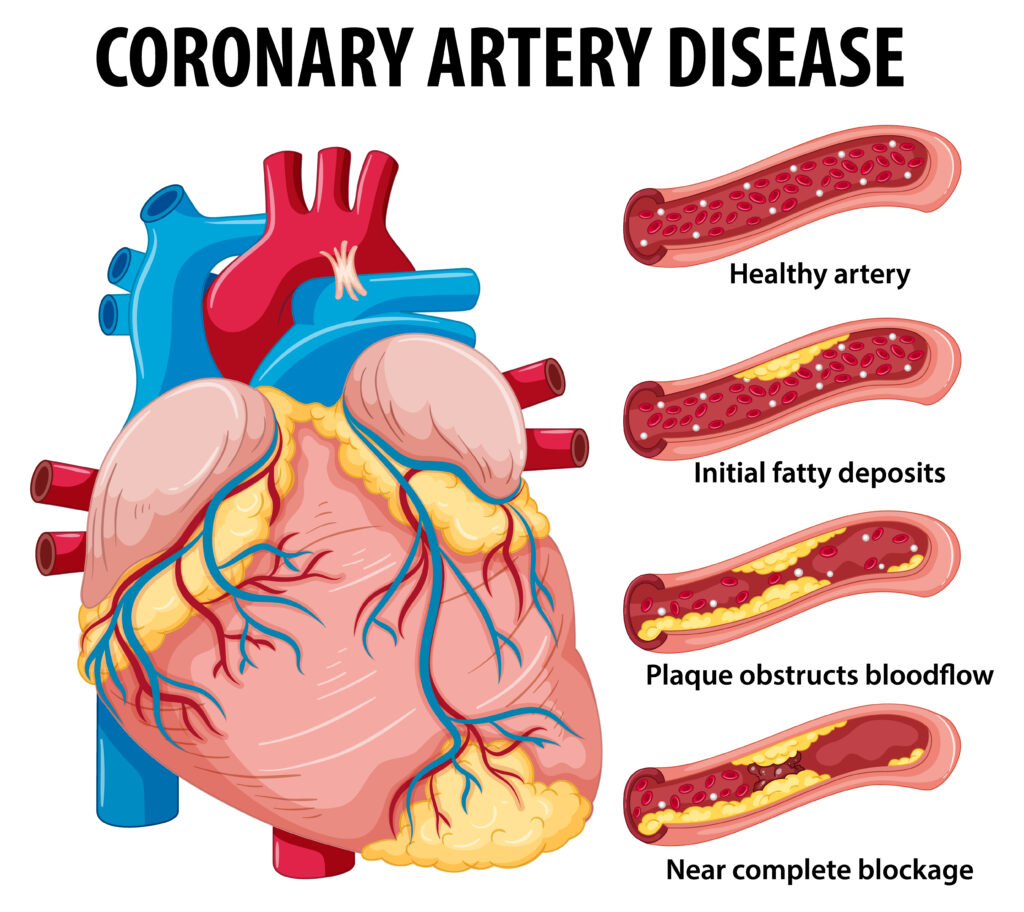
Your heart is a muscle that works continuously, pumping blood throughout your body. To do this efficiently, it needs a constant supply of oxygen-rich blood delivered by the coronary arteries. These arteries run along the surface of your heart and nourish the heart muscle itself.
When your coronary arteries become narrowed or blocked, your heart muscle can weaken or become damaged. Even simple daily activities may begin to result in discomfort or shortness of breath. This is why maintaining healthy coronary arteries is key to lasting heart health and total wellness. Next, let’s explore how coronary artery disease develops and the factors that contribute to its progression.
How Coronary Artery Disease Develops
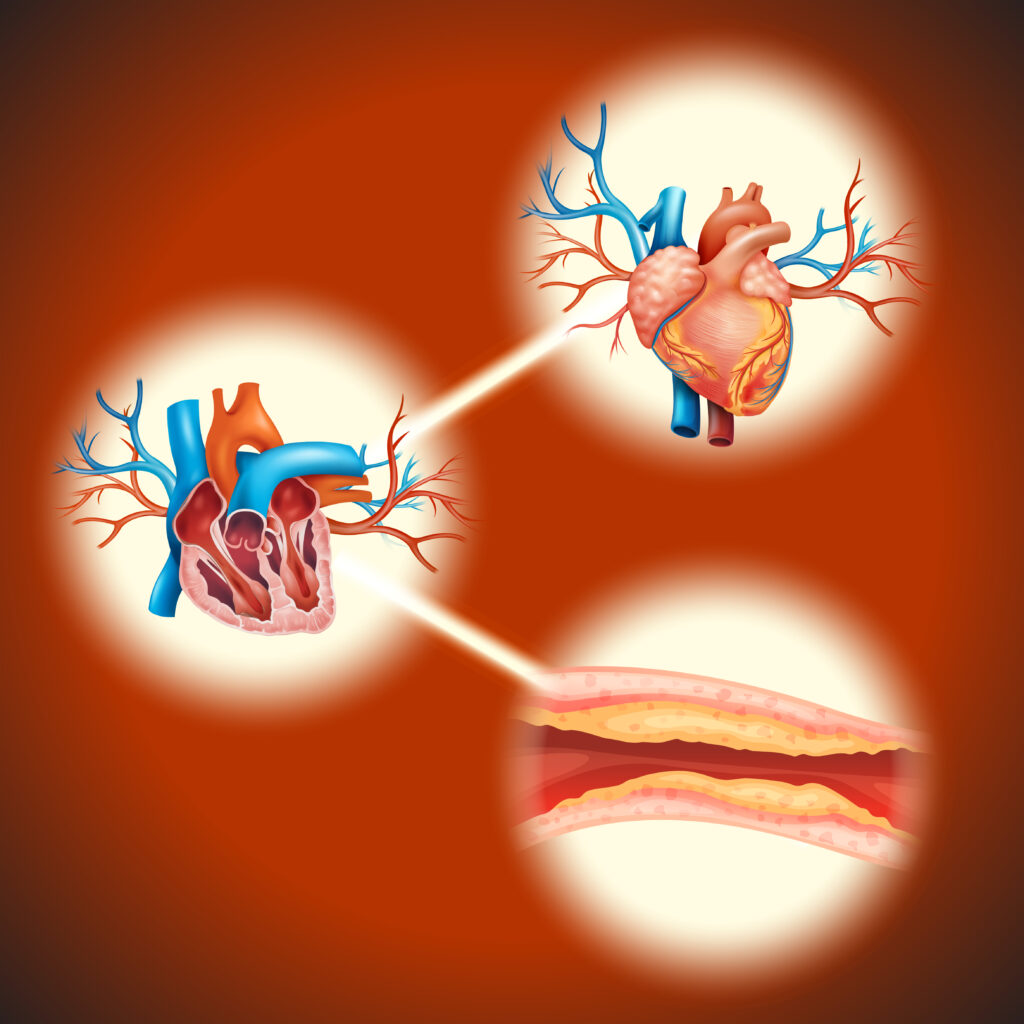
Coronary artery disease develops gradually through a process called atherosclerosis. This happens when cholesterol, fatty deposits, and other substances accumulate along the inner walls of your arteries, forming plaque. Over time, this plaque buildup narrows the arteries and reduces their flexibility, which limits blood flow to your heart.
A number of factors can increase the risk of coronary artery disease. These include
- High blood pressure that damages artery walls
- Smoking, which accelerates plaque formation
- Diabetes, which increases inflammation in blood vessels
- Long-term stress and physical inactivity
As this narrowing progresses, the risk of experiencing chest pain, irregular heartbeat, and heart attack increases. Understanding the different types of coronary artery disease and how they present can provide further clarity on what to watch for.
Types of Coronary Artery Disease
Coronary artery disease can affect people in different ways and is commonly classified into two main types. Recognizing these types can make symptoms and treatment options easier to understand.
Stable Ischemic Heart Disease
This form develops slowly over time. Symptoms such as chest pain or pressure usually appear while exercising or under emotional stress and improve with rest or medication. Many people live with this condition for years when it is properly managed through lifestyle changes and medical treatment.
Acute Coronary Syndrome
This is a sudden and more serious form of coronary artery disease. It includes unstable angina and heart attacks, where blood flow to the heart is abruptly reduced or blocked. Acute coronary syndrome requires immediate medical attention at a well-equipped cardiac hospital in Lahore.
Common Symptoms of Coronary Artery Disease
Symptoms vary depending on the severity of the blockage and individual health factors.
Frequent symptoms are:
- Chest pain, pressure, or tightness (angina)
- Shortness of breath, especially during activity
- Fatigue or reduced stamina
- Dizziness or lightheadedness
- Pain in the arms, neck, jaw, or upper back
- Irregular heartbeat
Women, older adults, and people with diabetes may experience less typical symptoms, which is why regular heart checkups are especially important for these groups. A closer look at the causes of coronary artery disease can further highlight steps for prevention.
What Causes Coronary Artery Disease?
Coronary artery disease begins with damage to the inner lining of your coronary arteries. This damage allows plaque to accumulate over time. Common contributing factors include:
- Long-standing high cholesterol
- Poorly controlled blood pressure
- Use of smoking and tobacco
- Obesity and unhealthy dietary habits
- While aging increases risk, coronary artery disease is not inevitable with age. Most contributing factors, like cholesterol, blood pressure, smoking, obesity, and diabetes, can be controlled with proper medical care, helping lower your overall risk.
Is Coronary Artery Disease Genetic?
Genetic factors may play a role in coronary artery disease. If close family members developed heart disease at a young age, your risk may be higher. However, lifestyle choices remain a major influence. Even with a family history, adopting heart-healthy habits and maintaining routine checkups can greatly reduce your risk.
Risk Factors for Coronary Artery Disease
Several common risk factors make coronary artery disease more likely. These include high cholesterol and triglyceride levels, high blood pressure, smoking (including secondhand smoke), diabetes, physical inactivity, unhealthy dietary habits, and chronic stress.
- High cholesterol and triglyceride levels
- High blood pressure
- Smoking or exposure to secondhand smoke
- Diabetes
- Physical inactivity
- Poor dietary habits
- Chronic stress
Managing these risk factors under the guidance of a heart specialist can help slow disease progression and reduce the possibility of negative outcomes. Understanding how the disease is diagnosed will help you know what to expect if you seek medical advice.
How Coronary Artery Disease Is Diagnosed
Diagnosis starts with a comprehensive medical history and physical examination. A heart specialist in Lahore may recommend specific tests based on your symptoms and risk factors. Not all patients require every test. Common diagnostic tests include:
- Electrocardiogram (ECG): Detects abnormal heart rhythms
- Echocardiography: Assesses heart structure and function
- Stress testing: Evaluates how the heart responds to physical activity
- Blood tests: Measure cholesterol and heart-related markers
- Coronary angiography: Identifies blockages in the coronary arteries
An accurate diagnosis helps doctors select the most appropriate treatment plan for your specific condition. Next, let’s look at how coronary heart disease can be managed and treated.
Treatment Options for Coronary Artery Disease
Treatment depends on the severity of the disease and how it affects your daily life.
Lifestyle Changes and Risk Management
Lifestyle modification is the foundation of both treatment and prevention:
- Following a balanced, heart-friendly diet
- Participating in consistent physical activity
- Quitting smoking
- Handle stress effectively
- Maintaining a healthy weight
These steps can lead to considerable enhancements in heart health over time. For many people, medications are also an important part of managing coronary artery disease.
Medications
Medications may be prescribed to:
- Lower cholesterol levels
- Control blood pressure
- Reduce the risk of blood clots
- Lower stress on the heart
Consistent use of prescribed medications under medical supervision is vital for prolonged disease control. In some cases, additional procedures or heart surgery may be necessary if medications and lifestyle management are not enough.
Procedures and Heart Surgery
When blockages become severe, medical procedures may be necessary:
- Angioplasty and stent placement to open narrowed arteries
- Heart surgery, such as coronary artery bypass grafting (CABG)
- Minimally invasive heart surgery for eligible patients, offering smaller incisions.
Treatment decisions are carefully evaluated and planned by experienced cardiologists and heart surgeons.
Recovery and Cardiac Rehabilitation
Recovery time varies depending on the type of treatment received. Many patients benefit from structured cardiac rehabilitation programs that include:
- Supervised exercise plans
- Dietary advice
- Heart health education
- Emotional and mental Rehabilitation programs help patients regain physical strength, build confidence, and establish long-term heart health. Knowing whether coronary artery disease can be controlled or prevented is key to ongoing wellness.
Can Coronary Artery Disease Be Prevented or Controlled?
Even though advanced plaque buildup cannot always be reversed, coronary artery disease can often be controlled and stabilized. Early diagnosis, health habit changes, and appropriate treatment may stop additional damage and improve quality of life. Regular heart checkups and early treatment at a trusted cardiac hospital in Lahore are vital to disease prevention and long-term management. Managing the mental and emotional aspects of heart disease is just as critical for overall health.
Mental Health and Living With Coronary Artery Disease
Living with heart disease can greatly affect mental well-being. Feelings of stress, anxiety, or low mood are common following diagnosis. Handling mental health is an important part of comprehensive care, as psychological well-being directly influences heart health. Assistance from medical professionals, family members, and rehabilitation programs can make a notable change in recovery and long-term outcomes. Recognizing when to seek medical attention can also help ensure better outcomes and peace of mind.
When to See Your Healthcare Provider
You should consult a heart specialist if you experience:
- Persistent chest discomfort
- Shortness of breath during routine activities
- Sudden fatigue or weakness
- Irregular heartbeat
When to Go to the Emergency Room
You should seek immediate medical attention if you experience:
- Severe chest pain lasting more than a few minutes
- Pain spreading to the arm, jaw, or back.
- Sudden shortness of breath
- Fainting or collapse
Take the Next Step Toward Better Heart Health
If you have concerns about coronary artery disease or would like an expert evaluation. Consult a qualified heart specialist, Dr. Omar Aziz Rana, in Lahore at Omar Hospital & Cardiac Centre. Early assessment and early action can make a substantial benefit to your heart health and overall quality of life.