Severe coronary artery disease is much more complex when there are heavily calcified arteries that don’t respond to standard angioplasty techniques. In such difficult scenarios, the rotablation procedure has been a breakthrough in minimally invasive cardiac care that is changing the treatment possibilities.
It helps break up hardened calcium in the coronary arteries, improves blood flow, and improves stent placement success, providing many patients with a less invasive option than surgery. Read the detailed information throughout the blog to learn how this treatment works and who can benefit from it.
What Is the Rotablation Procedure?
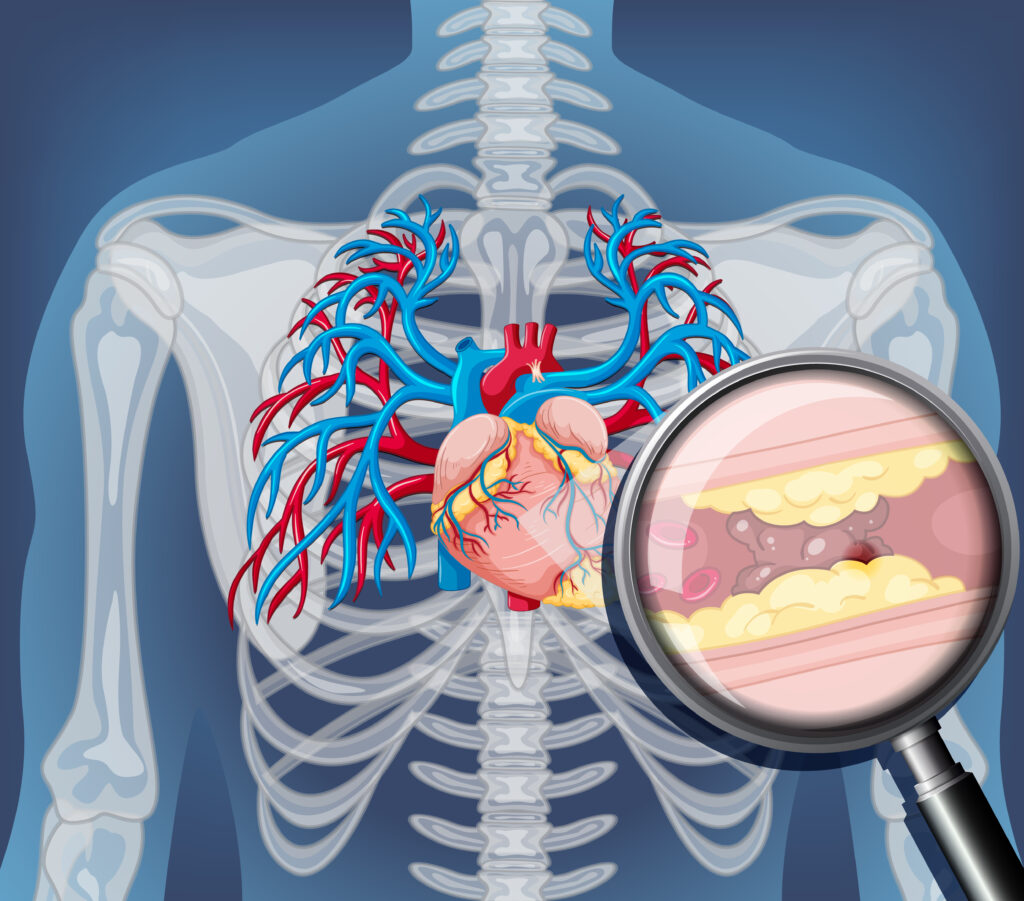
The rotablation procedure is a coronary angioplasty technique to treat heavily calcified coronary arteries. In advanced coronary artery disease, plaque buildup can become rigid and hardened over time, making traditional balloon angioplasty difficult or ineffective.
Rotablation is a technique that involves delicately reshaping calcified plaque within the artery using a tiny, high-speed rotary burr coated with microscopic diamond particles. This improves artery compliance and allows for the safe insertion of coronary stents.
Why Is the Rotablation Procedure Needed?
Calcified coronary arteries are among the most difficult conditions to treat with standard angioplasty. In rigid arteries, the balloons may not expand properly, and stents may not open fully.
Rotablation angioplasty reduces the hardness of calcified plaque, thus facilitating stenting. This increases procedural success and improves long-term coronary blood flow.
Advanced cardiac evaluation at the cardiac practice of Dr. Omar Aziz Rana determines that rotablation angioplasty is the right choice of treatment for each patient.
Why Choose Rotablation?
Rotablation offers several important advantages for selected patients with severe coronary artery disease.
- Differential Cutting Technology
The rotating burr is designed to selectively target hardened calcified plaque while minimising injury to healthy vessel tissue.
- Optimising Stent Deployment
Rotablation is a good tool for vessel preparation and adequate stent expansion in complex coronary lesions.
- Minimally Invasive Alternative to Surgery
For selected patients, rotablation angioplasty may help reduce the need for open-heart bypass surgery.
- Effective Treatment for Difficult Coronary Lesions
This technique allows experts to treat coronary blockages that might be difficult to treat otherwise with standard techniques of angioplasty alone.
How Is the Rotablation Procedure Performed?
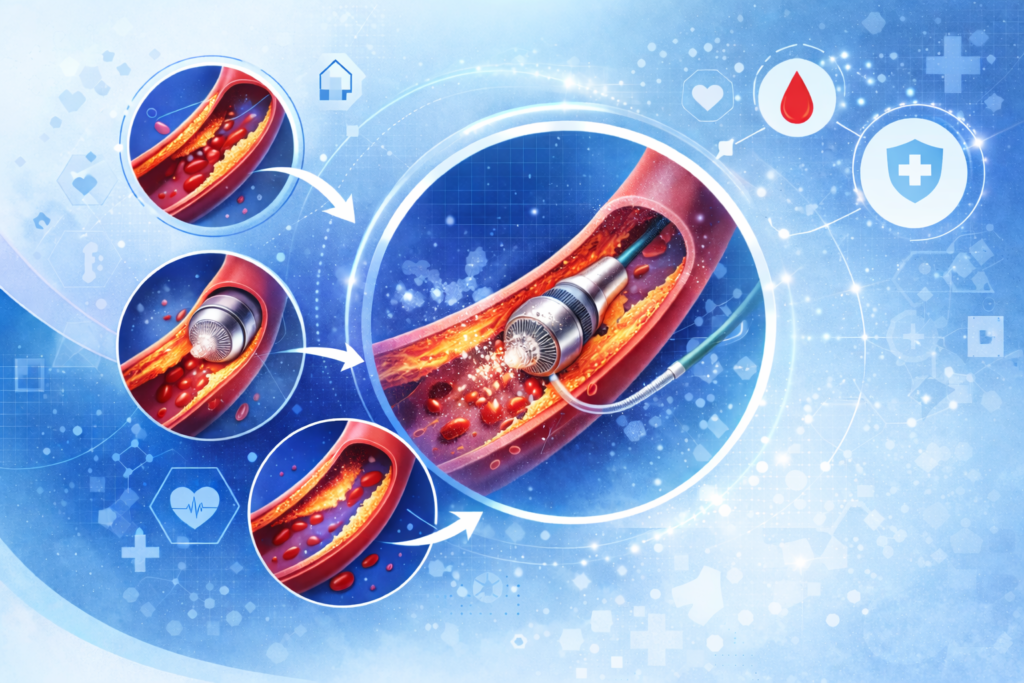
The rotablation procedure is performed in a dedicated cardiac catheterisation laboratory using minimal invasive techniques.
Step 1: Catheter Access
A thin catheter is inserted through the wrist or groin artery and guided toward the coronary arteries.
Step 2: Rotational Plaque Modification
The diamond-coated rotating burr gently reshapes hardened calcium deposits inside the artery.
Step 3: Balloon Angioplasty
Then the plaque is treated, and the artery is further opened with a balloon angioplasty.
Step 4: Coronary Stenting
A coronary stent is placed to maintain blood flow and to support the artery walls.
Who Is a Suitable Candidate for Rotablation Angioplasty?
Rotablation angioplasty may be recommended for patients with:
- Severe calcified coronary arteries
- Complex coronary artery disease
- Resistant coronary lesions
- Failed standard angioplasty attempts
- Narrow coronary arteries difficult to treat conventionally
- Multiple or recurrent coronary blockages
Benefits of Rotablation Angioplasty
Rotablation offers several key advantages for patients with severe coronary artery disease.
- Minimally Invasive Heart Surgery
The procedure avoids large surgical incisions and is performed via catheter-based access.
- Stent Placement
Rotablation supports better stent delivery and expansion in heavily calcified arteries.
- Faster Recovery
Most patients recover more quickly compared to traditional open-heart surgery.
- Better Coronary Blood Flow
Opening narrowed arteries improves oxygen supply to the heart muscle.
- Reduced Symptoms
Successful treatment may help relieve chest pain, fatigue, shortness of breath, and exercise limitations.
Recovery After the Rotablation Procedure
Recovery time from rotablation angioplasty is usually less than recovery time from bypass surgery. Most patients are observed closely for a short period in the hospital before discharge.
Patients are usually instructed to follow the procedure:
- Continue heart medications as directed
- Eat a heart-healthy diet
- Manage diabetes, cholesterol, and blood pressure
- Avoid smoking
- Attend regular follow-up appointments
- Participate in cardiac rehabilitation if recommended
Clinical Importance of Rotablation in Modern Cardiac Care
Rotablation is now a major development in interventional cardiology, allowing specialists to treat coronary arteries once considered very difficult to treat by minimally invasive techniques.
The procedure has improved the success of coronary angioplasty in patients with severe arterial calcification and continues to broaden treatment options for complex coronary artery disease.
Advanced Rotablation Treatment in Lahore
Severe coronary artery disease necessitates specialised training, cutting-edge cardiac technology, and meticulous procedure planning.
Dr. Omar Aziz Rana provides advanced evaluation and minimally invasive treatment planning for patients with complex coronary conditions requiring specialized coronary intervention. If you’re noticing signs that could point toward coronary artery disease, it’s important not to delay; early cardiac consultation can make a real difference in your heart health.