Some blocked arteries can’t simply be opened with a balloon and a stent. If plaque has hardened into tough calcium deposits, the doctor may first perform a specialized procedure called coronary rotablation to clear the way for the drug-eluting stent.
When a patient or family member has been told that rotablation is needed before stenting, understanding how the two procedures work together can help make the experience less frightening.
What Is Coronary Rotablation?
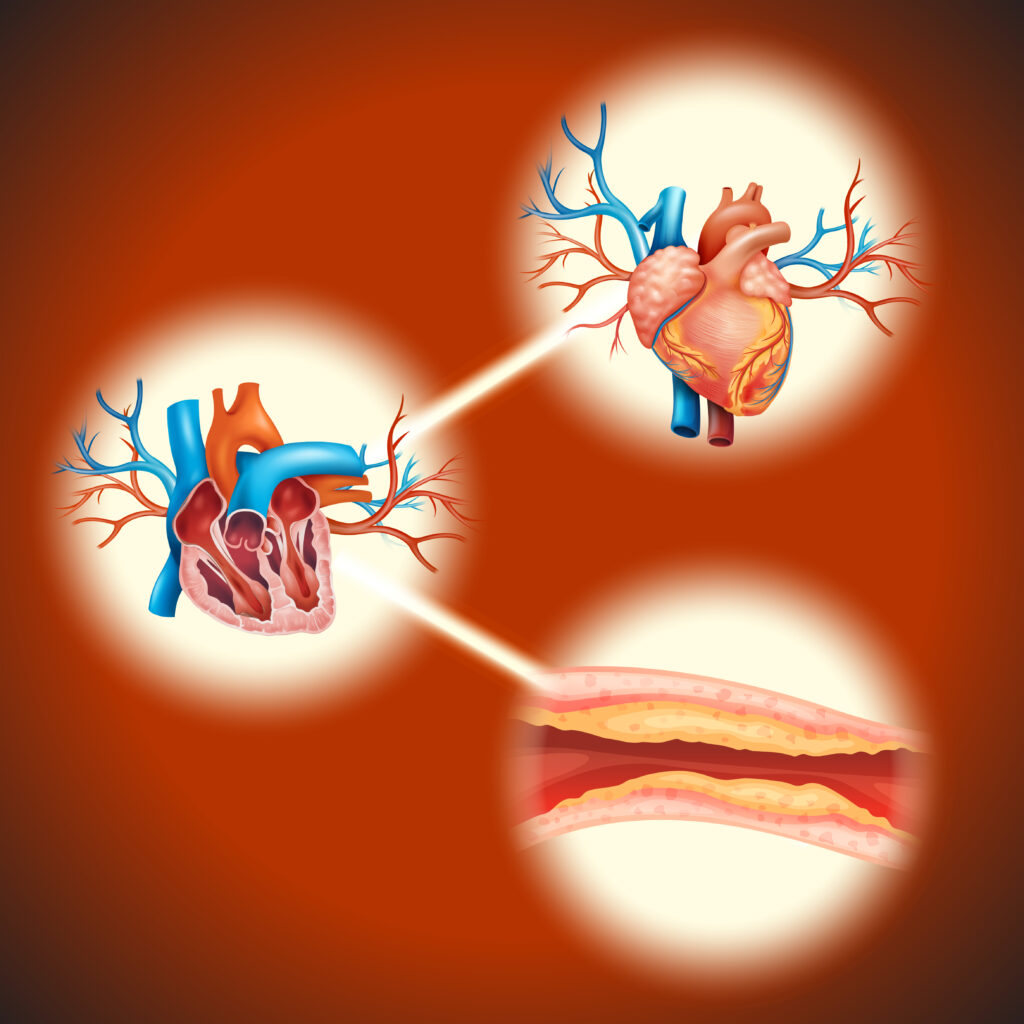
Coronary rotablation, also known as rotational atherectomy, is a procedure that uses a small, diamond-coated rotating burr to remove hard calcium plaque from within a coronary artery. The burr spins at high speeds and grinds the hardened plaque into tiny dust particles that are too small to enter the bloodstream.
Rotablation differs from standard angioplasty because it does not ‘push’ the plaque out of the way with a balloon; it actually removes it. This creates a wider, smoother artery wall, allowing the stent to expand properly and be placed securely.
Why Rotablation Is Used First
Balloons and stents are effective for treating soft or moderately calcified plaques. However, when calcium builds up over time, a balloon may not inflate properly, and a stent placed over hardened calcium may be under-expanded or fail to fit properly. An under-expanded stent is more likely to cause problems over time, such as the artery narrowing again.
First, coronary rotablation addresses this by removing the calcium, allowing the artery to fully expand and the stent to lie flat against the vessel wall for better immediate results and durability.
Who Needs Rotablation Before Stenting?
Rotablation isn’t part of every angioplasty. It’s typically recommended when imaging (such as an angiogram or intravascular ultrasound) shows the following:
- Heavily calcified plaque that a balloon cannot adequately compress
- Arteries where a stent would otherwise be at risk of incomplete expansion
- Long-standing coronary artery disease with significant calcium buildup, often seen in patients with a longer history of heart disease, diabetes, or chronic kidney disease
A cardiologist will typically confirm the need for rotablation only after standard balloon angioplasty proves insufficient or after imaging clearly shows dense calcification.
What Happens During the Rotablation Procedure
The procedure is performed in a catheterization laboratory, usually under local anesthesia and sedation. A thin tube (catheter) with a rotating burr is inserted through an artery, typically in the wrist or groin, and advanced to the blocked area. The burr is moved in short bursts to sand down the calcium, and the particles are flushed away by a continuous flow of fluid.
Once the artery has been sufficiently modified, the rotablation catheter is withdrawn, and the operator then proceeds with balloon angioplasty and stent placement.
What Is the Procedure for Stent Placement?
After rotablation clears the calcium, stent placement follows a familiar sequence:
- A guidewire is threaded through the treated artery.
- A balloon catheter may be used briefly to further shape the vessel.
- The drug-eluting stent, a mesh tube coated with medication, is positioned at the narrowed segment and expanded using a balloon, locking it against the artery wall.
- Imaging confirms the stent is fully expanded and properly placed before the catheter is withdrawn.
The entire combined procedure, rotablation followed by stenting, usually takes one to two hours, and most patients go home within a day or stay overnight for observation.
How Do Drug-Eluting Stents Work?
A drug-eluting stent is a tiny mesh-like stent that keeps the artery open and is coated with a medicine that is slowly released over several weeks to months. This medicine works by blocking the artery wall’s natural repair process, which can cause scar tissue to regrow and reopen the artery, a condition known as restenosis.
Drug-Eluting Stents vs. Bare-Metal Stents
| Terms/Factors | Drug-Eluting Stent | Bare-Metal Stent |
| Coating | Medicated, slow-release | None |
| Restenosis risk | Lower | Higher |
| Duration of blood-thinning medication needed | Typically longer | Typically shorter |
| Common use cases | Smaller vessels, complex blockages, diabetic patients | Cases where prolonged blood thinners aren’t suitable |
The key difference between the two comes down to that medicated coating:
Drug-eluting stents are generally the preferred option for most patients, but a bare-metal stent may be recommended in certain situations, such as when a patient is scheduled for future surgery that requires blood thinners to be stopped earlier.
Benefits of Drug-Eluting Stents
- Significantly lower risk of the artery re-narrowing compared to bare-metal stents
- Reduced likelihood of needing a repeat procedure on the same artery
- Well-suited for smaller arteries and more complex or heavily diseased segments
- Strong long-term track record across large patient populations
Drug-Eluting Stent Safety and Risks
Overall, drug-eluting stents carry a strong safety profile, but like any implanted device, they carry some risk:
- Restenosis: re-narrowing of the artery, though less common than with bare-metal stents
- Stent thrombosis: a blood clot forming at the stent site, rare but serious, and strongly linked to premature discontinuation of blood thinners
- Bleeding: from the required antiplatelet medications
- Allergic reaction: to stent materials or medication coating, in rare cases
- Vessel injury: a small risk during placement, particularly in heavily calcified or tortuous arteries
Because rotablation is performed on more complex, heavily calcified arteries, patients undergoing this combined procedure are usually monitored slightly more closely both during and after the intervention.
Considerations Before Getting a Drug-Eluting Stent
Before recommending a drug-eluting stent, a cardiologist typically assesses the following:
- The size and location of the affected artery
- Overall calcification and complexity of the blockage
- Whether the patient can commit to a prolonged course of antiplatelet medication
- Other health conditions, such as diabetes, kidney disease, or upcoming surgeries
- Bleeding risk and any history of bleeding disorders
What to Expect During Your Drug-Eluting Stent Procedure
Not always, but usually the patient stays awake and sedated. The entire procedure is performed with live X-rays at the access site (wrist or groin), using a small incision. Most people feel slight pressure, but not pain. After the stent is placed and confirmed, the catheter is removed, and the access site is closed or compressed to stop bleeding.
How Long Do Drug-Eluting Stents Last?
Conventionally, drug-eluting stents are not removed or replaced. During the first weeks to months, the drug coating is released, while the metal scaffolding keeps the artery open permanently. In the long term, studies show durable results in most patients years after surgery, if they take the proper medications and follow lifestyle guidance.
Latest Innovations in Drug-Eluting Stents
Newer generations of drug-eluting stents have introduced the following:
- Thinner metal struts for better vessel healing
- Bioabsorbable polymer coatings that dissolve over time, leaving only bare metal behind
- Improved drug-release profiles that lower long-term clot risk
- Better deliverability for smaller, more complex, and heavily calcified arteries, making them increasingly compatible with rotablation cases
Life After Getting a Drug-Eluting Stent
Recovery and long-term care typically involve:
- Medication adherence: taking prescribed antiplatelet medication exactly as directed, usually for six to twelve months or longer, without stopping early
- Follow-up visits: to monitor heart function and confirm the stent is working as expected
- Lifestyle adjustments: managing blood pressure, cholesterol, blood sugar, and weight to slow further progression of coronary artery disease
- Activity: most patients resume normal activity within days, with strenuous exercise cleared gradually by their cardiologist
- Watching for warning signs: chest pain, shortness of breath, or unusual fatigue should be reported to a doctor promptly
Choosing the Right Expertise for Complex Coronary Rotablation Disease
For heavily calcified coronary arteries, rotablation and drug-eluting stents work together to deliver the best possible outcome. Rotablation prepares the artery by removing hardened calcium, allowing the stent to expand properly and stay securely in place. This combined approach is a well-established, safe, and effective treatment for complex coronary artery disease when conventional stenting alone may not be enough.
If you’ve been advised to undergo rotablation before stenting, choosing an experienced interventional cardiologist is essential. Dr. Omar Aziz Rana, a trained interventional cardiologist at Omar Hospital & Cardiac Centre, has nearly two decades of experience treating complex, heavily calcified coronary blockages with advanced techniques such as rotablation. With a personalized treatment approach and extensive expertise, he helps patients achieve safer procedures, better outcomes, and long-term heart health.
FAQs
How long do drug-eluting stents release drugs?
The drug-eluting stent slowly releases its medication over several weeks to a few months, but the metal stent itself stays in place forever.
Which drug-eluting stent is best?
There isn’t a single “best” stent for every patient. The right option depends on artery size, calcification, bleeding risk, and other individual health factors.
What are the side effects of a drug-eluting stent?
Possible side effects of a drug-eluting stent include minor bruising or bleeding at the access site, a small risk of allergic reaction to the stent coating, and clotting or re-narrowing.
What medication is in a drug-eluting stent?
Common medications used in stent coatings include sirolimus, everolimus, and zotarolimus.