
Not all blocked arteries are created equal. While plaque buildup is a common concern in cardiology, some patients develop a more stubborn form of blockage, one that’s hardened with calcium deposits over time. This condition, associated with advanced coronary artery disease, can make conventional treatments much more difficult and often requires specialized techniques for safe resolution.
If you or a loved one has been told they have calcified coronary arteries, knowing what this means and what treatments are available can help you move forward with clarity and confidence.
What Are Calcified Coronary Arteries?
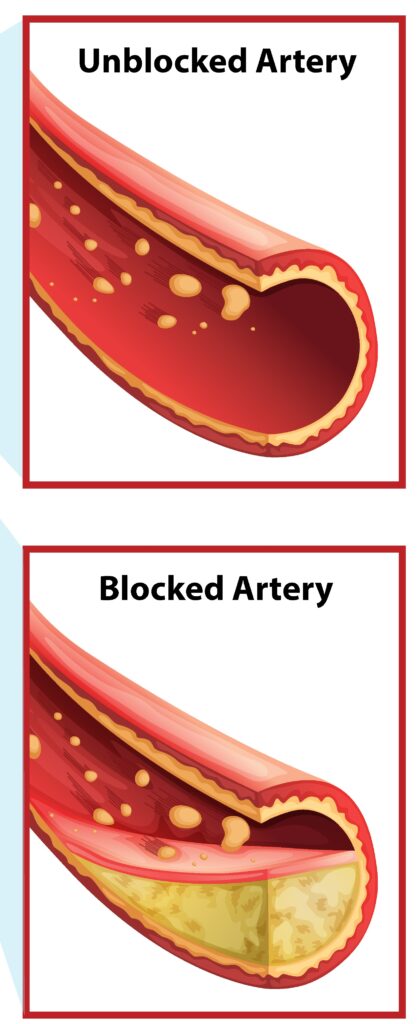
Plaque buildup can occur over time in any of the coronary arteries that feed the heart. Plaque is a combination of fat, cholesterol, and cellular waste that accumulates to narrow the artery and restrict blood flow. In some patients, especially those with long-standing coronary artery disease, diabetes, or chronic kidney disease, this plaque hardens over time with the accumulation of calcium deposits within it.
This calcification process turns what would normally be a soft, treatable blockage into a rigid, bone-like obstruction. Calcified plaque is much more resistant to standard treatment tools, so the procedure of balloon angioplasty or stent placement is much more difficult and, in some cases, ineffective without additional intervention.
Why Do Coronary Arteries Calcify?
Several factors contribute to calcium buildup within heart arteries, including:
- Age: Calcification becomes much more common after age 60
- Long-standing diabetes: Chronic high blood sugar accelerates vascular calcification
- Chronic kidney disease: Impaired mineral regulation contributes to arterial hardening
- High cholesterol over many years: Prolonged plaque exposure increases calcification risk
- Smoking history: Damages vessel walls, encouraging plaque and calcium deposition
- Family history of coronary heart disease
Calcification can affect any coronary vessel, though it’s frequently identified in the right coronary artery and the left anterior descending artery during diagnostic imaging.
How Are Calcified Coronary Arteries Diagnosed?
Diagnosing calcified coronary artery disease accurately is essential because calcified arteries behave differently during treatment. Common diagnostic approaches include:
- Coronary Angiography: A detailed heart blockage test that maps blockages and can reveal calcification patterns
- CT Calcium Scoring: Measures the extent of calcium deposits within the coronary arteries, providing a numeric risk score
- Intravascular Ultrasound (IVUS): Offers a detailed cross-sectional view of the artery wall and calcium distribution
- Optical Coherence Tomography (OCT): Provides even higher-resolution imaging of calcified plaque, helping guide treatment planning
These tests allow a heart doctor to determine not just whether a blockage exists but also how the calcification might affect the safety and success of different treatment approaches.
Treatment Options for Calcified Coronary Arteries
When coronary artery disease is complicated by calcification, more advanced tools are required than standard angioplasty. Fortunately, interventional cardiology offers a number of effective options that are particularly suited for this challenging form of coronary disease. The main approaches in use today are:
1. Rotablation (Rotational Atherectomy)
Coronary rotablation is one of the best methods for severe calcifications and uses an instrument known as a rotablator. During the rotablation procedure, the tiny burr rotates at very high speed, sometimes more than 150,000 rotations per minute, and gently “sands” the hardened calcium deposits, allowing the blood vessels to flow more smoothly.
Rotablator burrs come in different sizes, depending on the size of the artery and the degree of calcification, and interventional cardiologists choose the right size for each patient’s treatment based on the artery’s anatomy. This rotablator procedure is usually done prior to putting in the stent so that the stent can expand fully and fit well against the artery wall, which is difficult to achieve when the plaque is heavily calcified and untreated.
2. Balloon Angioplasty with Specialized Balloons
In moderately calcified arteries, cardiologists may use specialized cutting or scoring balloons that create controlled micro-fractures in the calcium, allowing the vessel to expand more effectively before stent placement.
3. Stent Placement (Heart Stent Surgery)
Once the calcified plaque has been adequately treated, often via rotablation, a stent is typically placed to keep the artery open. Modern drug-eluting stents also help prevent future re-narrowing, offering long-term protection against recurrent blockages.
4. Coronary Artery Bypass Surgery
For extensive or multi-vessel calcification that isn’t suitable for angioplasty-based treatment, heart surgeons may recommend bypass surgery instead. This involves rerouting blood flow around the blocked segment using a graft from another blood vessel in the body.
Rotablation vs. Bypass: Which Is Right for You?
Patients and families often ask about rotablation vs. bypass when calcified blockages are diagnosed. The right choice depends on several factors:
- Rotablation is generally preferred for localized, heavily calcified blockages in one or two vessels, particularly when the patient is not an ideal surgical candidate or prefers a less invasive approach.
- Bypass surgery is typically recommended for widespread, multi-vessel disease, complex blockages near critical branch points, or cases where stenting isn’t expected to provide durable results.
Your heart specialist doctor will evaluate your overall cardiac health, the extent and location of calcification, and your personal risk factors before recommending the most appropriate path forward.
What to Expect During Recovery
Recovery timelines vary depending on the specific procedure:
- Rotablation and stenting typically involve a short hospital stay of one to two days, with most patients returning to light activity within a week.
- Bypass surgery requires a longer hospital stay and a more gradual recovery period, often several weeks, given its more invasive nature.
In both cases, your care team will guide medication (including blood thinners to prevent clotting around the treated area), activity restrictions, and follow-up testing to monitor long-term results.
Preventing Further Calcification
While existing calcification can’t be reversed, patients can take meaningful steps to slow the progression of coronary artery disease and protect overall heart health:
- Maintain optimal blood sugar control if diabetic
- Manage cholesterol through diet, exercise, and prescribed medication
- Keep blood pressure within a healthy range
- Avoid smoking and secondhand smoke exposure
- Attend regular follow-up appointments for ongoing cardiac monitoring
Advanced Coronary Care with Dr. Omar Aziz Rana
Dr. Omar Aziz Rana, a top cardiac surgeon in Lahore, provides precision, experience, and advanced technology in the treatment of calcified coronary artery disease.
With specialized expertise in complex interventional procedures, including rotablation angioplasty for heavily calcified blockages. Don’t delay evaluation if you have been told that you have “hardened” coronary arteries or symptoms of coronary heart disease. Schedule an appointment with Dr. Omar Aziz Rana and discuss with him the best course of action for treating your condition.
Wrapping Up
Coronary artery calcification is one of the most complicated conditions in contemporary cardiology but is not impossible to treat. Patients with severe coronary artery disease can be treated safely and effectively to restore healthy blood flow and lower their long-term cardiovascular risk, thanks to accurate diagnosis and advanced techniques such as rotablation.