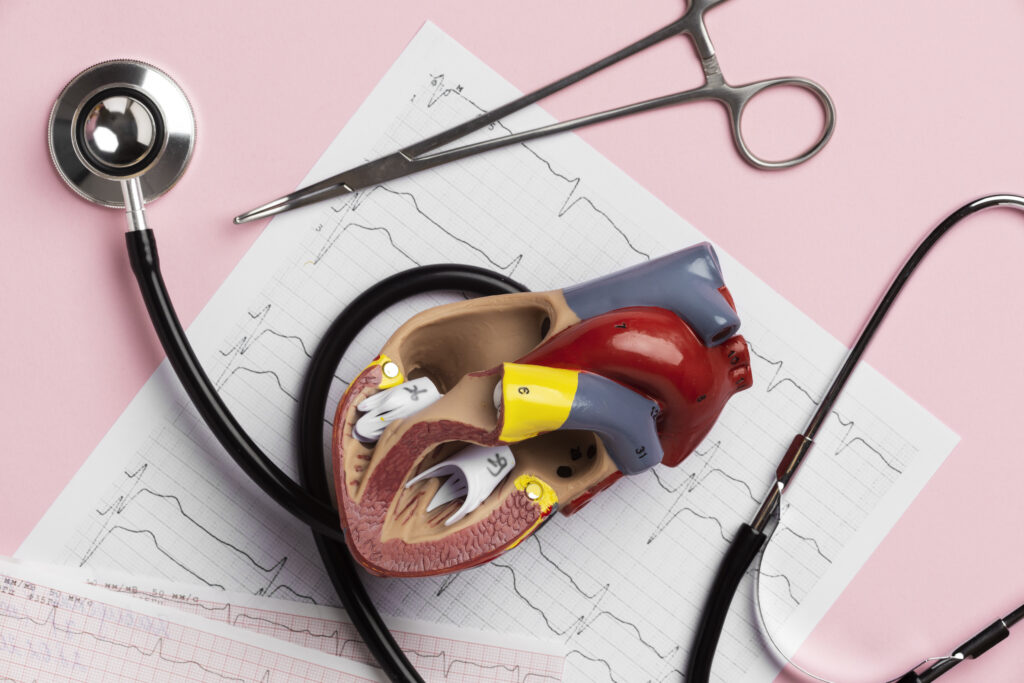
Heart disease continues to be one of the leading causes of serious health complications worldwide, affecting millions of people every year. Some of the risk factors are not under your control, but many types of cardiac disease can be prevented with healthy lifestyle choices, regular screenings, and early medical intervention.
It’s not just about avoiding illness that protects your heart. It’s about protecting your energy, mobility, and quality of life.
Why Heart Disease Prevention Matters
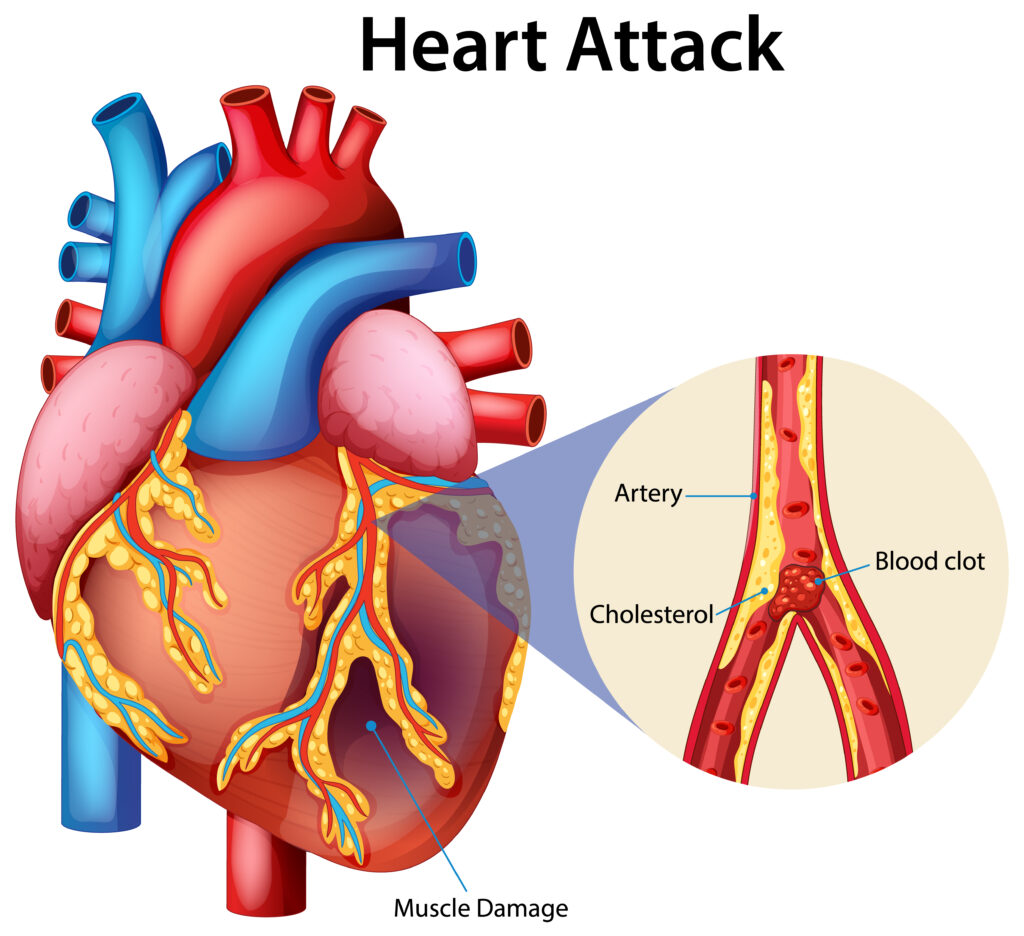
Your heart is always working, pumping blood rich in oxygen to your body. Cardiac disease risk goes up a lot when blood vessels narrow, get blocked, or get damaged. Cardiovascular conditions can impact almost every part of health and can cause serious complications, including:
- Heart attacks
- Strokes
- Heart failure
- Atherosclerotic cardiovascular disease
- Arrhythmias
- Complications of high blood pressure
The good news is that many of these conditions can be prevented with consistent healthy habits and timely medical care.
Understanding the Risk Factors
Several things can increase your risk of cardiovascular disease. Some risks are inherited, but many can be managed with lifestyle changes and preventive care. Common risk factors include:
- High blood pressure
- High cholesterol
- Diabetes
- Smoking
- Obesity
- Lack of physical activity
- Chronic stress
- Family history of heart-related disease
- Advancing age
Understanding these risk factors is the first step toward reducing your chances of future cardiovascular problems.
Eat Heart-Healthy Foods to Reduce the Risk of Heart Disease
A nutritious diet is one of the most effective ways to protect against cardiac disease and support long-term cardiovascular health. Focus on incorporating:
- Fresh fruits and vegetables
- Whole grains
- Lean protein sources
- Fatty fish rich in omega-3 fatty acids
- Nuts and seeds
- Healthy fats such as olive oil
At the same time, try to reduce:
- Processed foods
- Sugary beverages
- Excessive sodium
- Saturated and trans fats
Small, consistent dietary improvements can have a significant impact on heart health over time.
Stay Physically Active for a Stronger Heart
Regular physical activity strengthens the heart muscle, improves circulation, and helps lower the risk of cardiovascular disease.
Health experts generally recommend:
- At least 150 minutes of moderate-intensity exercise per week
- Strength training exercises twice weekly
- Reducing prolonged periods of sitting
Simple activities such as walking, cycling, swimming, or jogging can contribute greatly to cardiovascular wellness.
Maintain a Healthy Weight to Protect Your Heart
Excess body weight places additional strain on the cardiovascular system and increases the likelihood of developing heart disease.
Maintaining a healthy weight can help:
- Lower blood pressure
- Improve cholesterol levels
- Reduce diabetes risk
- Improve overall heart function
Even modest and sustainable weight loss can provide meaningful heart health benefits.
Manage Stress to Support Heart Health
Stress affects more than emotional well-being; it can also contribute to the development of cardiovascular disease. Chronic stress may increase:
- Blood pressure
- Heart rate
- Inflammation
- Unhealthy lifestyle behaviours
Healthy stress-management techniques include:
- Regular exercise
- Deep breathing exercises
- Meditation
- Spending time with loved ones
- Maintaining hobbies and interests
Managing stress effectively supports both mental and cardiovascular health.
Prioritise Quality Sleep for Better Cardiovascular Health
Sleep is often overlooked but plays a critical role in preventing heart disease. Adults should aim for approximately seven to nine hours of quality sleep each night. Poor sleep habits have been associated with:
- High blood pressure
- Weight gain
- Increased stress levels
- Greater cardiovascular risk
A consistent sleep schedule can contribute significantly to long-term heart health.
Avoid Smoking and Limit Alcohol Consumption
Tobacco smoking remains one of the major preventable causes of cardiac disease. Smoking damages blood vessels, raises blood pressure, and accelerates the development of coronary artery disease. Similarly, excessive alcohol consumption may cause harm to the cardiovascular system by helping to:
- High blood pressure
- Heart rhythm disturbances
- Weakening of the heart muscle
Avoiding tobacco and drinking alcohol in moderation can significantly lower the risk of cardiovascular disease.
Everyday Habits That Can Harm Your Heart
Many everyday habits contribute to the gradual development of heart-related disease without people realising it. Examples include:
- Leading a sedentary lifestyle
- Frequently consuming processed foods
- Ignoring chronic stress
- Sleeping poorly
- Smoking
- Skipping routine health assessments
Making small but consistent changes can help protect your heart over the long term.
Recognising the Early Signs of Heart Disease
If cardiovascular disease is detected early, it can be diagnosed and treated more quickly. Some common warning signs are:
- Pain or discomfort in your chest
- Dyspnoea
- Unusual tiredness
- Dizziness
- Palpitations
- Swollen legs or feet
If you have any of these symptoms, see a doctor right away for a professional assessment.
How Often Should You Get Checked for Cardiovascular Disease?
One of the best ways to catch cardiovascular disease before serious complications develop is through regular screening. You should consider routine cardiovascular assessments if you:
- Are over 40 years of age
- Have high blood pressure or diabetes
- Have high cholesterol
- Have a family history of heart-related disease
- Smoked or smoked in the past
- Have cardiovascular symptoms
A high blood cholesterol test can help identify risks early and guide appropriate preventive strategies.
10 Simple Ways to Keep Your Heart Healthy
If you are wondering how to reduce your risk of heart disease, these practical habits can make a meaningful difference:
- Eat more fruits and vegetables.
- Exercise regularly.
- Maintain a healthy weight.
- Reduce salt intake.
- Limit processed foods.
- Manage stress effectively.
- Get adequate sleep.
- Avoid smoking.
- Limit alcohol consumption.
- Schedule regular heart check-ups.
Why Choose Dr. Omar Aziz Rana for Cardiovascular Disease Prevention and Care?
Cardiac disease can be prevented and managed with expert guidance, accurate diagnosis, and a personalised approach to treatment.
Omar Aziz Rana, a reputable Lahore heart specialist, offers comprehensive cardiovascular care including preventative screening, advanced diagnostic testing, and evidence-based treatment plans. His patient-centred approach can support people to better understand their heart health and take proactive steps to reduce future risk of cardiovascular disease.
If you require a routine heart evaluation, heart blockage test, or expert advice on your symptoms and risk factors, Dr Omar Aziz Rana is the expert you need to maintain your cardiovascular wellbeing.
Take Control of Your Heart Health Today
Much cardiovascular disease can be prevented, delayed, or effectively managed if treated early. Knowing your risk factors, making healthier choices, and having regular cardiovascular screenings are the most important investments you can make for your long-term health.
Schedule a consultation with Dr. Omar Aziz Rana if you have a family history of cardiovascular conditions, are concerned about heart disease, or have symptoms that could indicate a heart problem. With his expert advice, advanced cardiac assessments, and personalised care, he can help you protect your heart and build a better future.
FAQs
What are the early signs of heart disease?
Common early signs include chest discomfort, shortness of breath, fatigue, dizziness, or heart palpitations. Consult a doctor if the symptoms persist.
How often should I get my heart checked?
It’s important to get regular heart screenings, particularly if you have risk factors such as high blood pressure, diabetes, or a family history of heart disease.
How can I improve heart health quickly?
Focus on healthy eating, regular exercise, quality sleep, and stress management. Small lifestyle changes can make a difference over time.
Can I improve my heart health in 30 days?
Yes, healthy habits such as exercising regularly and improving your diet can start benefiting your heart within a few weeks.
How can I strengthen my heart muscle naturally?
Regular physical activity, a balanced diet, and maintaining a healthy weight can help support heart function and overall cardiovascular health.
Can heart disease be reversed?
While not all heart disease is reversible, healthy lifestyle changes and proper treatment can help slow its progression and improve heart health.