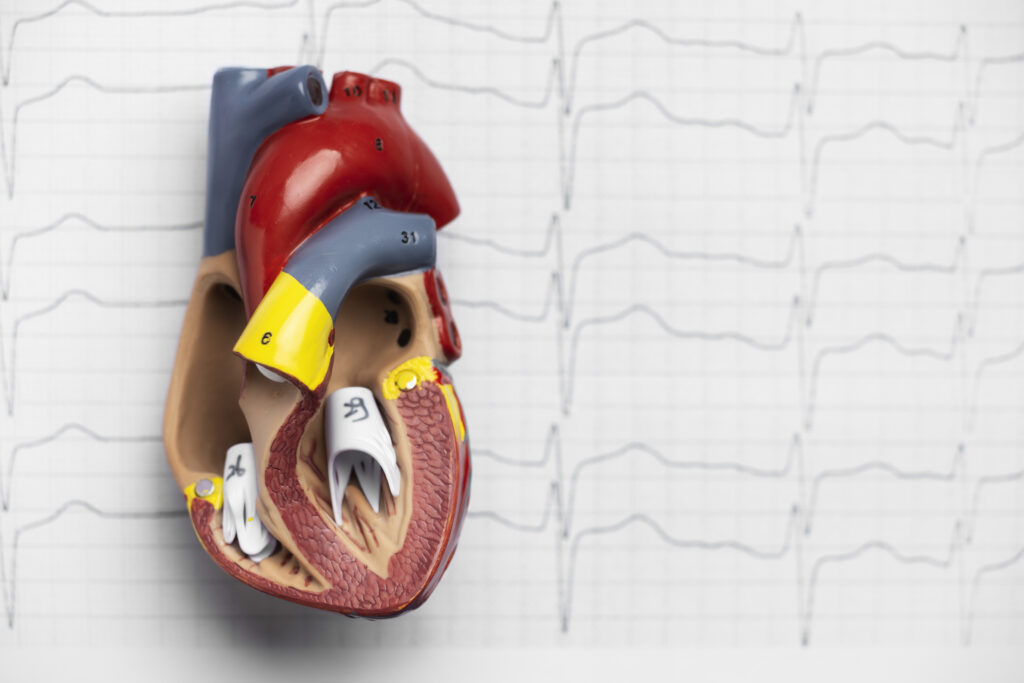
In heavily calcified coronary artery blockages, traditional angioplasty and stenting may not be sufficient for the best outcome. These hardened calcium deposits can make it difficult to open the artery properly and restore healthy blood flow to the heart.
A rotablation procedure is a more advanced treatment that removes the calcified plaque in the coronary arteries and makes it possible for a successful angioplasty and stent placement in the blockage. This personalised approach can lead to improved treatment results in patients with complicated and highly calcified CAD.
What Is a Rotablation Procedure?
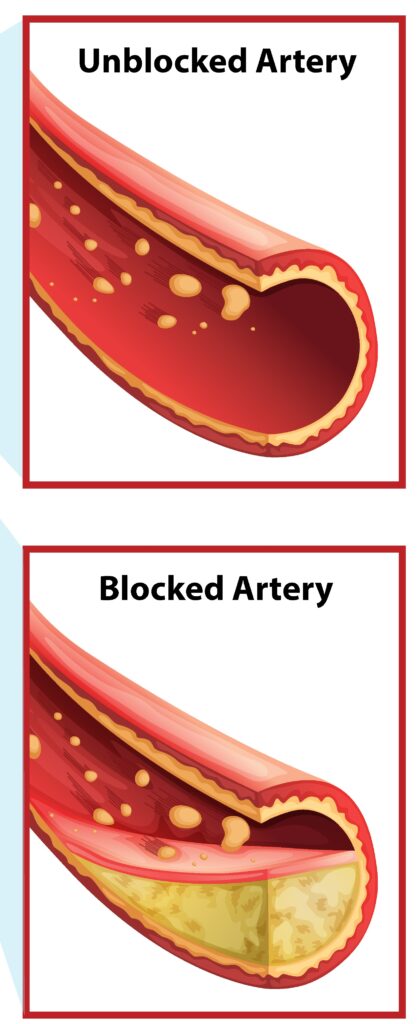
Rotablation is a sophisticated catheter-based procedure used to treat heavily calcified blockages in coronary arteries. It employs a specialised rotating burr to soften hardened calcium deposits within the artery, allowing for easier angioplasty and effective stent placement.
A rotablation procedure is used to treat blockages that are difficult to treat with standard angioplasty due to heavy calcification.
Why Is a Rotablation Procedure Needed?
Over time, the plaque inside the coronary arteries can harden and become heavily calcified. These calcium deposits can prevent balloons and stents from expanding adequately during the treatment.
A rotablation procedure may be recommended for the following:
- Severe coronary artery calcification
- Complex coronary artery disease
- Resistant coronary artery blockages
- Challenging stent placement cases
- Patients requiring advanced coronary intervention
By preparing the artery before the procedure, rotablation can improve the effectiveness of the following angioplasty and stenting.
How a Rotablation Procedure Is Performed
The rotablation procedure is performed in a specialized cardiac catheterisation laboratory.
1. Accessing the Coronary Artery
A catheter is threaded through a blood vessel in the wrist or groin to the affected coronary artery.
2. Modifying Calcium Deposits
A small diamond-tipped rotating burr is pressed into the obstruction. The rotablation technique uses the device to carefully grind away the hardened calcium, leaving the artery itself untouched.
3. Completing Angioplasty and Stenting
Once the artery is prepared, balloon angioplasty and stent placement can be done more effectively.
The purpose of the rotablation technique is to optimise the conditions to restore blood flow in the coronary artery.
Benefits of a Rotablation Procedure
For appropriately selected patients, a rotablation procedure offers several advantages.
- Improved Stent Expansion
Removing the barrier created by severe calcium deposits allows stents to expand more completely.
- Enhanced Treatment of Complex Blockages
A rotablation procedure can make previously difficult-to-treat lesions more accessible for intervention.
- Better Blood Flow Restoration
Preparing calcified arteries improves the likelihood of achieving satisfactory blood flow after treatment.
- Minimally Invasive Treatment
The rotablation procedure is performed through catheter-based techniques without the need for major surgery in suitable cases.
Who Can Benefit From a Rotablation Procedure?
If you’ve been diagnosed with severe coronary artery disease with a lot of calcium build-up, you may be a candidate for a rotablation procedure. Good candidates are often people who:
- Have heavily calcified coronary artery blockages
- Require complex angioplasty
- Have narrowed heart arteries that resist balloon expansion
- Need advanced coronary intervention strategies
A detailed cardiac assessment helps to decide whether the patient is the best candidate for a rotablation procedure.
Why Choose Dr. Omar Aziz Rana for a Rotablation Procedure?
A successful rotablation procedure requires experience, precision, and advanced technical expertise.
Dr. Omar Aziz Rana specialises in the evaluation and treatment of complex coronary artery disease. Through careful patient selection, detailed imaging, and modern interventional techniques, he helps patients receive personalised treatment tailored to their specific cardiac condition.
Recovery After a Rotablation Procedure
Recovery following rotablation is usually similar to recovery following coronary angioplasty. After treatment, patients are closely monitored and given individual advice about medication, activity levels and follow-up care. To support long-term heart health, patients are encouraged to:
- Take prescribed medications regularly
- Follow a heart-healthy diet
- Control blood pressure and cholesterol
- Manage diabetes effectively
- Avoid smoking
- Attend routine cardiac follow-up appointments
Advanced Solutions for Heavily Calcified Coronary Artery Blockages
Some coronary artery blockages are too heavily calcified to treat with conventional therapy alone. In these cases, a rotablation procedure may be used to prepare the artery for successful angioplasty and stent placement, enabling treatment where standard approaches may be less effective.
If you have been diagnosed with complex or severely calcified coronary artery blockage, then you should see Dr Omar Aziz Rana for a comprehensive evaluation and personalised treatment plan. Timely and appropriate intervention can help improve treatment outcomes and restore healthy blood flow to the heart.
FAQs
Is a rotablation procedure the same as an angioplasty?
No. A rotablation procedure is used to modify hardened calcium deposits before angioplasty and stent placement are performed.
How long does a rotablation procedure take?
The duration varies depending on the complexity of the blockage, but most procedures are completed within a few hours.
Is a rotablation procedure safe?
When performed by an experienced specialist, a rotablation procedure is a well-established treatment option for heavily calcified coronary artery blockages.