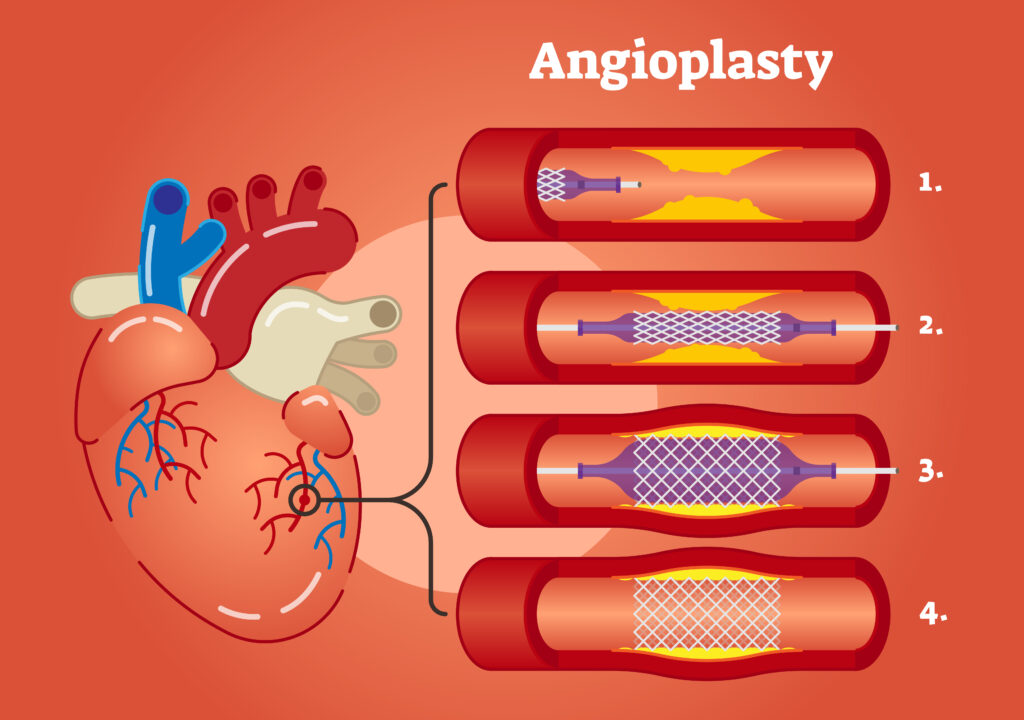
If you or your loved one has been diagnosed with severe coronary artery calcification and has been recommended to undergo treatment, you have likely heard two terms, which are rotablation vs. atherectomy. These terms sound a lot alike, but knowing the distinction can make you feel more equipped and educated prior to talking with your cardiologist.
In short, atherectomy is the general term, and rotablation angioplasty is a type of atherectomy. Now, what this really means and why the difference is important for your treatment.

Key Differences Between Rotablation Angioplasty and Other Atherectomy Types
Each atherectomy technique has particular advantages depending on the characteristics of the complication. Here’s a quick side-by-side comparison of rotablation vs. orbital and laser atherectomy:
| Terms/Factors | Rotablation (Rotational) | Orbital Atherectomy | Laser Atherectomy |
|---|---|---|---|
| Mechanism | High-speed rotating burr | Eccentric spinning crown | Laser energy |
| Best suited for | Densely calcified, fibrous lesions | Calcified lesions, particularly in smaller vessels | Softer plaque, in-stent restenosis, thrombus |
| Common use | Preparing artery before stenting | Preparing artery before stenting | Debulking or modifying plaque |
All three are part of the class of procedures known as “atherectomy,” but rotablation is one of the most widely studied and frequently used procedures for the treatment of severely calcified coronary artery disease, especially in complex situations.
When Is Rotablation Angioplasty Recommended?
Not every blockage requires rotablation. It’s generally considered when:
- The artery has significant calcification that a balloon alone cannot adequately open
- Attempting to place a stent directly would risk incomplete expansion or damage to the vessel
- The lesion is in a location where careful, controlled plaque modification is needed before further treatment
Your cardiologist will typically confirm the need for rotablation using diagnostic imaging during the procedure itself, rather than deciding in advance from external tests alone.
When Is Atherectomy the Right Treatment Option?
Not every coronary blockage requires atherectomy. It’s generally considered when:
- The artery contains heavily calcified or hardened plaque that cannot be adequately treated with balloon angioplasty alone.
- A stent is unlikely to expand properly without first modifying or removing the plaque.
- The blockage is complex, long, or located in an area where plaque modification can improve the safety and effectiveness of further treatment.
Your cardiologist will determine whether atherectomy is appropriate by assessing the characteristics of blockage using coronary imaging and angiography during the procedure, helping guide the most suitable treatment approach.
What to Expect During the Procedure
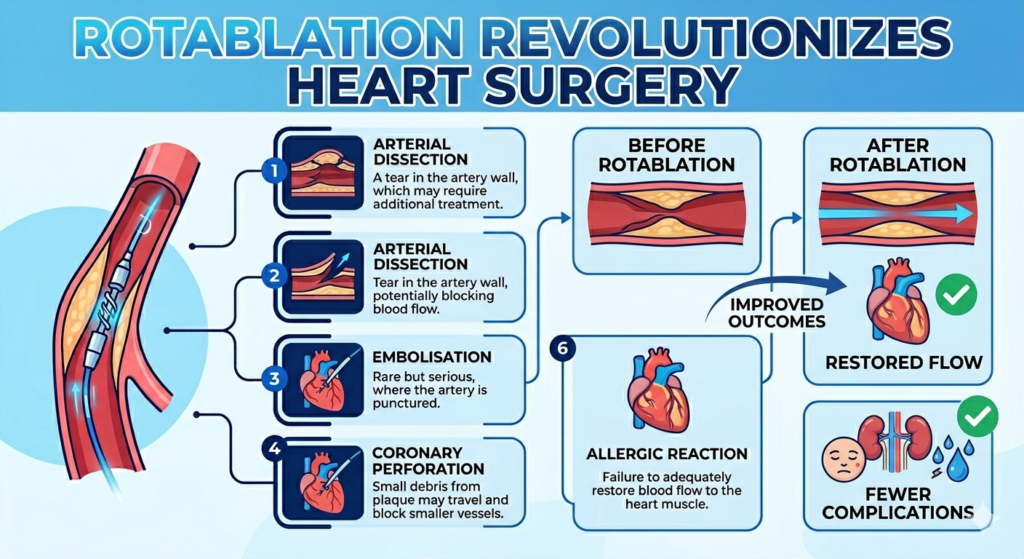
Rotablation angioplasty is part of a comprehensive coronary angioplasty procedure and is typically done under local anesthesia and sedation using a small catheter inserted through the wrist and/or groin. The interventional cardiologist then guides the rotablation device to the calcified area, slowly softens the plaque with the rotablation device, and then usually performs balloon angioplasty and stent placement during the same procedure.
Your recovery will depend on your unique situation, the state of your heart, and whether you received any other procedures at the same time; your cardiologist will guide you through what you can expect in your case.
Why the Cardiologist’s Experience Matters
Atherectomy is a technically challenging procedure, particularly the rotablation procedure. Not only do they need specialized equipment, but they also need a lot of hands-on training and case experience, as there’s not much room for error working inside a narrowed artery with hardened plaque.
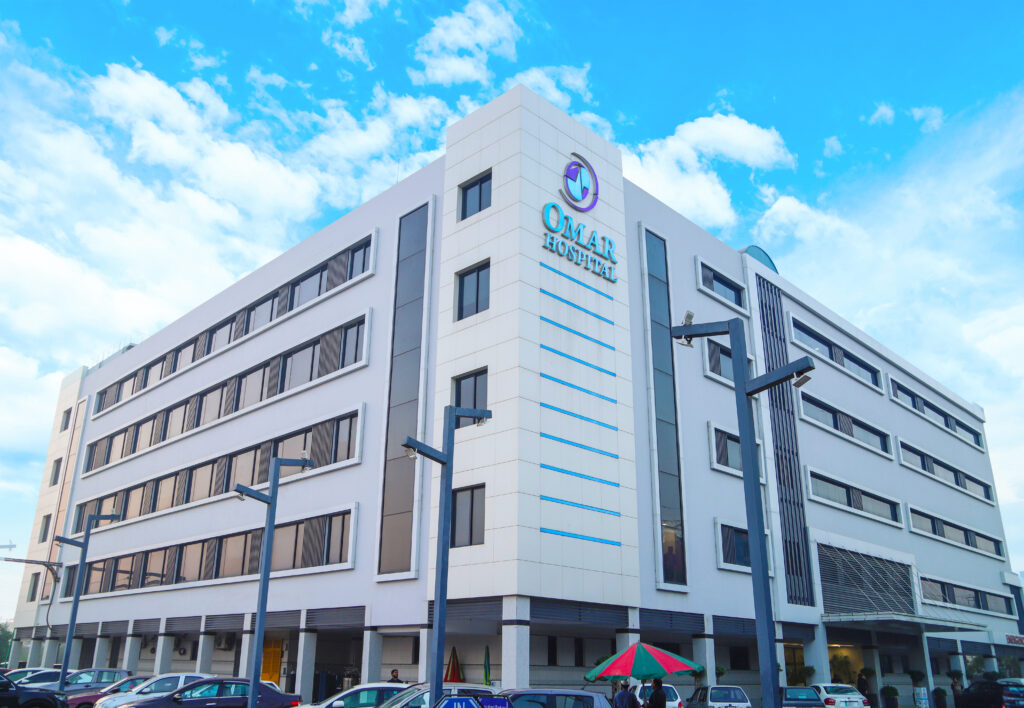
Dr Omar Aziz Rana is a consultant interventional cardiologist at Omar Hospital Lahore who trained extensively in the techniques of rotational atherectomy, laser atherectomy, intravascular ultrasound, and chronic total occlusion at one of the busiest interventional cardiology units in the UK, the Royal Bournemouth Hospital, UK. He is also a certified Boston Scientific proctor for rotablation in Pakistan and has proctored rotablation cases in all hospitals in Pakistan, both government and private.
Frequently Asked Questions
Is rotablation the same as atherectomy?
Not exactly. Atherectomy is the broader category of procedures that are used to remove plaque from an artery. While rotablation is one specific technique within that category.
Is rotablation painful?
Rotablation is performed under local anesthesia with sedation as part of a wider angioplasty procedure, so patients are typically comfortable throughout. Your cardiologist can walk you through what to expect based on your specific case.
Does rotablation replace the need for a stent?
Usually not. Rotablation is most often used to prepare a heavily calcified artery so that a stent can be placed safely and effectively afterward, rather than as a standalone treatment.