
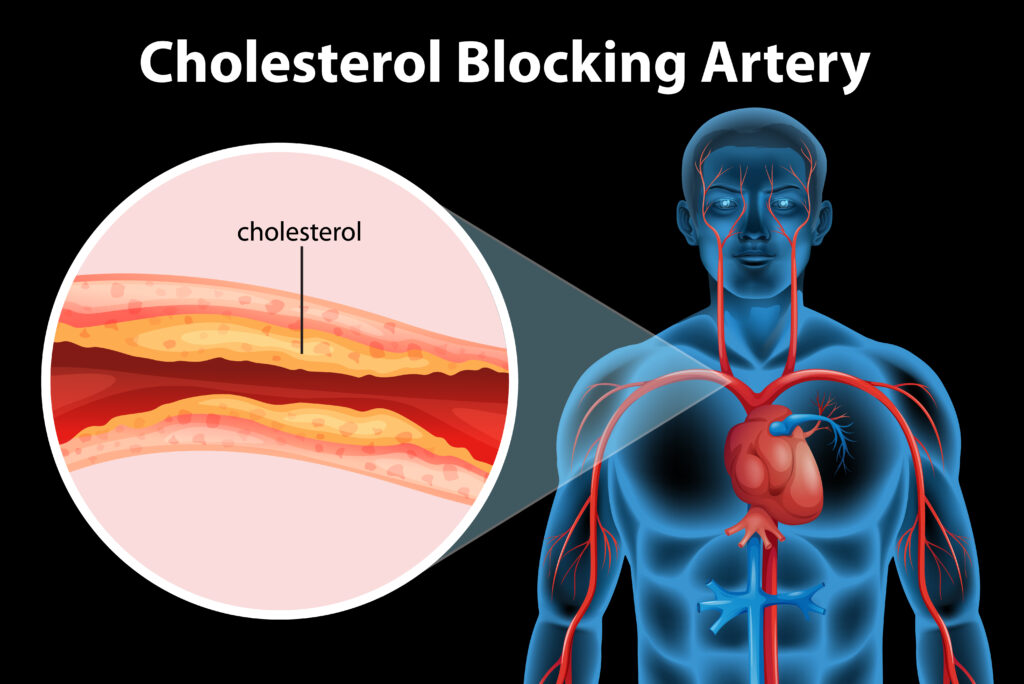
Cardiac angioplasty is a minimally invasive procedure that opens narrowed or blocked arteries to restore blood flow to the heart. It is most often performed for patients with coronary artery disease or other heart problems that limit oxygen supply to the heart muscle. During the procedure, a tiny balloon is used to compress plaque against the artery walls, and a stent is frequently placed to maintain the artery’s openness. With the guidance of a skilled heart specialist in Lahore, such as Dr Omar Aziz Rana, cardiac angioplasty can relieve symptoms, improve heart function, and reduce the risk of serious complications like heart attacks.
Cardiac angioplasty, also called percutaneous coronary intervention (PCI), is primarily used to treat arteries narrowed by plaque buildup, a condition common in coronary heart disease. The procedure uses a small balloon to widen the artery, and, in most cases, a stent is placed to keep it open. Compared to bypass surgery, angioplasty is less invasive, has a shorter recovery time, and often provides rapid symptom relief. Choosing a heart surgeon in Lahore with experience ensures precision and better outcomes.
Types of Angioplasty
Healthcare providers classify angioplasty based on the arteries treated:
- Coronary artery angioplasty: treats arteries supplying blood to the heart. Also called PCI.
- Peripheral artery angioplasty: treats arteries in the legs, arms, or pelvis affected by plaque buildup.
Techniques include:
- Balloon angioplasty: A small balloon inflates to push plaque against the artery walls.
- Angioplasty with a stent: A permanent stent is often placed to keep the artery open.
- Rotablator procedure: Used when arteries have hardened plaque. The device removes plaque before balloon inflation.
- Excimer laser coronary angioplasty (ELCA): Uses a laser to destroy plaque, less common than balloon angioplasty.
Each technique is selected according to your specific condition, and an experienced heart specialist doctor ensures the safest approach.
When Might You Need Angioplasty?
Angioplasty is recommended when blood flow to the heart or other vital organs is restricted, causing symptoms or risks of severe complications.
You may need angioplasty if you have:
- Heart attack: Emergency treatment to limit heart muscle damage.
- Coronary artery disease (CAD): Chest pain, shortness of breath, or other heart problems due to blocked coronary arteries.
- Peripheral artery disease (PAD): Restricted blood flow in legs or arms, causing pain, ulcers, or gangrene.
- Carotid artery disease: Blockages in the neck arteries that increase stroke risk.
- Chronic kidney disease: Plaque in kidney arteries affecting blood flow.
An angiogram (imaging procedure) is used to locate blockages and guide the intervention. Consulting a heart specialist in Lahore, such as Dr Omar Aziz Rana, ensures proper evaluation and tailored treatment.
Treatment Details
During angioplasty, a catheter with a balloon tip is inserted through an artery in the arm or groin. The balloon inflates to compress plaque against the artery walls and restore blood flow. A stent is usually placed to maintain the artery’s openness.
The procedure is minimally painful, and patients are awake but relaxed under mild sedation. The use of a rotablator procedure may be required in some cases to remove hardened plaque. A heart surgeon in Lahore ensures precise placement and reduces the chance of complications.
How to Prepare for Angioplasty
Proper preparation reduces risks and improves outcomes. Your heart doctor may advise the following:
- Fasting for 6–8 hours before the procedure.
- Adjusting medications, especially blood thinners.
- Inform the doctor of any allergies to contrast dye or anesthesia.
- Arranging transportation home, as driving post-procedure is not allowed.
Following these steps ensures the procedure is safe and smooth.
What Happens During Angioplasty?
On the day of angioplasty:
- You change into a medical gown and lie on your back.
- A sedative is administered through an IV, keeping you relaxed but awake.
- Local anesthesia numbs the catheter insertion site in the groin or arm.
- A catheter is guided to the blocked artery using X-ray imaging.
- The balloon inflates at the blockage to widen the artery.
- A stent is usually placed to maintain blood flow.
- The catheter is removed, and pressure is applied to prevent bleeding.
Most patients experience mild discomfort at the insertion site, which resolves within a week.
How Long Does Angioplasty Take?
Angioplasty usually takes 30 minutes to 2 hours, depending on complexity. Patients may stay in the hospital for several hours or overnight to monitor recovery. Your heart specialist in Lahore will advise on the expected hospital stay and post-procedure care.
Risks of Angioplasty
Though generally safe, angioplasty carries some risks:
- Re-narrowing of the artery if no stent is placed
- Irregular heartbeats (arrhythmias)
- Blood clots
- Allergic reaction to contrast dye or anesthesia
- Heart attack or stroke (rare)
- Bleeding, pain, or infection at the catheter site
Serious complications are uncommon, especially when performed by a skilled heart surgeon, like Dr. Omar Aziz Rana. Higher-risk patients include those over 65, with kidney disease, or with multiple blocked arteries.
Recovery and Outlook
After angioplasty, patients may feel tired and need to limit activity for a few days. Blood-thinning medications like aspirin are usually prescribed. Most patients resume normal activities and driving within a week, though this may vary. Follow-up visits are essential to monitor stent function and overall heart health.
With guidance from a qualified heart specialist doctor, recovery is typically smooth, and most patients experience rapid relief from chest pain and improved heart function.

Final Thoughts
Cardiac angioplasty is a highly effective procedure for restoring blood flow in blocked arteries, preventing serious heart complications, and improving quality of life. Patients with coronary artery disease or other heart problems should consult a trusted heart specialist in Lahore, such as Dr. Omar Aziz Rana, to evaluate their condition. Expert care ensures precise stent placement, minimal risks, and smooth recovery, allowing patients to regain a healthier, more active life.
FAQs
What is the success rate of angioplasty?
Success varies depending on the artery, blockage severity, and patient health. Most patients experience significant symptom relief and restored blood flow.
Is angioplasty painful?
Angioplasty is generally well-tolerated. Minor discomfort may occur during IV insertion, local anaesthesia, or balloon inflation, but serious pain is rare.