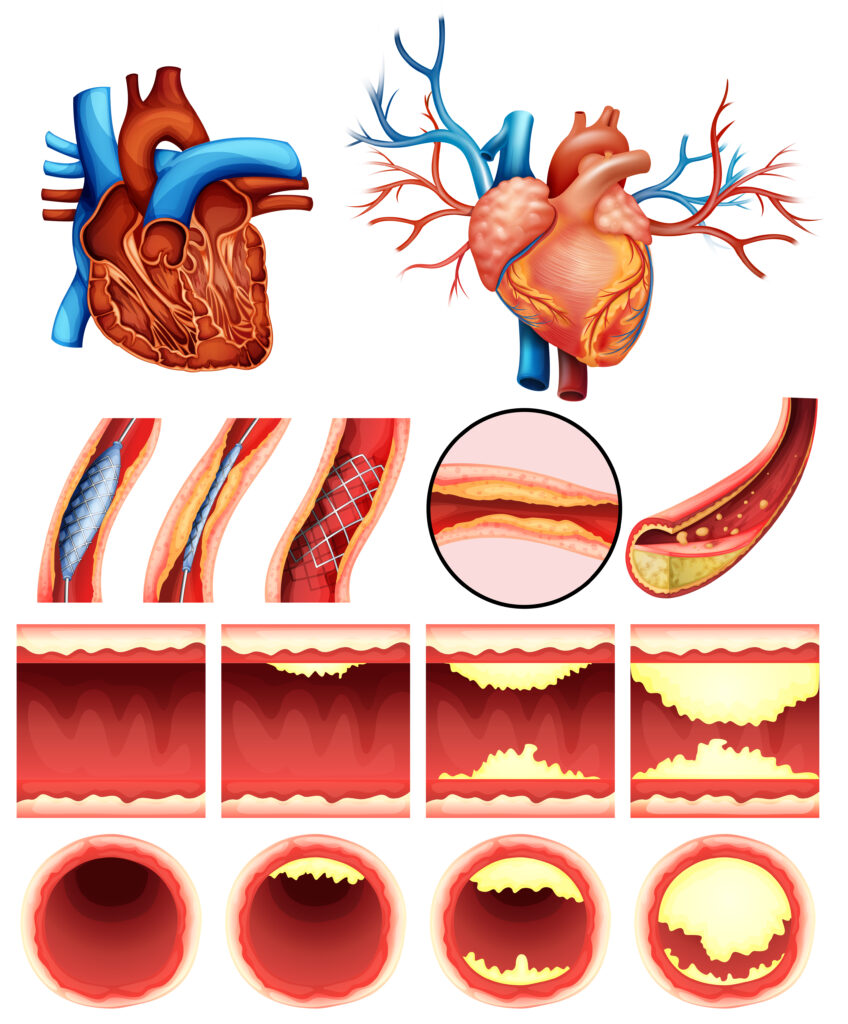
A blocked coronary artery cannot always be treated with a balloon and stent. If the blockage is calcium-hardened, traditional angioplasty techniques may be ineffective.
Rotablation angioplasty provides a highly advanced solution here. Known as the “diamond drill” procedure, it uses a small diamond-coated burr to precisely modify hardened calcium, prepping the artery for effective stent placement and improved blood flow.
What Is Rotablation Angioplasty?
Rotablation angioplasty is a minimally invasive procedure used to treat severely calcified coronary arteries. Instead of removing the blockage, it gently modifies hardened calcium into microscopic particles that are naturally carried away through the bloodstream.
By preparing the artery first, cardiologists can safely expand it with a balloon and place a stent more effectively, even in complex cases.
Why Is a Diamond-Coated Drill Used?
The diamond-coated burr is specially designed to:
- Modify hardened calcium without cutting the artery
- Improve stent expansion and placement
- Treat complex blockages that conventional angioplasty cannot easily manage
- Help restore healthy blood flow with greater precision
This advanced technology helps cardiologists to treat patients who may otherwise have limited treatment options.
How Does the Rotablation Procedure Work?
The rotablation procedure is performed through a thin catheter inserted from the wrist or groin under local anesthesia.
During the procedure, your cardiologist will:
- Guide the catheter to the blocked coronary artery.
- Advance a tiny diamond-coated burr to the calcified blockage.
- Rotate the burr at high speed to modify the hardened calcium.
- Inflate a balloon to widen the artery.
- Place a stent to keep the artery open and restore blood flow.
Most patients remain awake throughout the procedure and typically recover much faster than with open-heart surgery.
Who May Need Coronary Rotablation?
Coronary rotablation may be recommended for patients with severe calcium buildup that prevents conventional angioplasty from working effectively. Patients can benefit from this treatment if they have:
- Heavily calcified coronary artery disease
- Complex or long-standing artery blockages
- Narrowed heart arteries that cannot be fully expanded with a balloon
- An angioplasty that was previously unsuccessful due to heavy calcium
Your cardiologist will determine whether rotablation is the right option based on your angiography findings and overall heart health.
Why Choose an Experienced Specialist?
Rotablation is a very specialized procedure requiring expertise, precision, and advanced interventional skills.
Dr Omar Aziz Rana has experience in performing rotablation angioplasty for patients with complex calcified coronary artery disease. He aims for the best possible results for his patients, using modern catheter-based techniques and tailored planning to ensure they receive effective treatment.
If you’ve been told that your heart artery blockage is heavily calcified or difficult to treat, make an appointment with Dr. Omar Aziz Rana to discuss if rotablation is the right treatment for you.