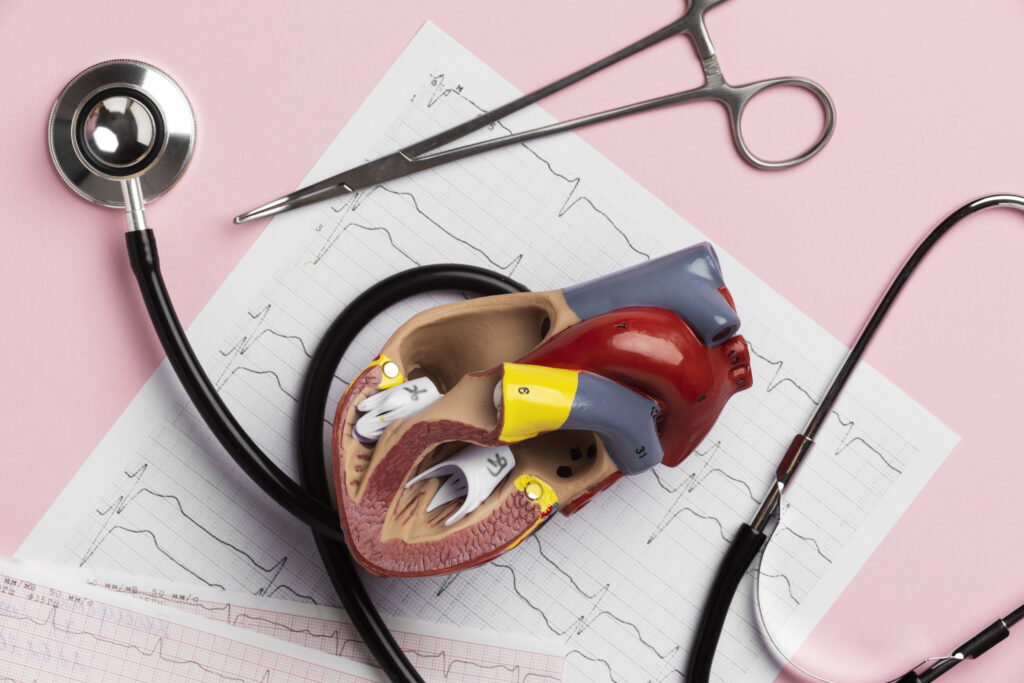
Rotablation angioplasty is a highly advanced coronary intervention used to treat severely calcified and stenotic coronary arteries. It aids in preparing hardened blockages that may not respond well to standard balloon angioplasty alone, allowing for better stent placement and increased blood flow.
For many patients, the procedure is just one part of their treatment. The following stage focuses on recovery, medication adherence, and long-term heart health. Understanding life after a rotablation procedure can help you heal confidently and lower your future cardiac risk.
What Is Rotablation Angioplasty?
Rotablation angioplasty is a specialised catheter-based treatment used when calcium buildup makes a coronary artery rigid and difficult to open.
During the procedure, a tiny diamond-tipped rotating burr carefully modifies calcified plaque inside the artery. Once the blockage is prepared, balloon angioplasty and stenting may be performed to restore circulation.
This technique is commonly used in complex coronary artery disease, where conventional angioplasty may not be enough.
Why Recovery After Rotablation Angioplasty Matters
A successful rotablation procedure does improve blood flow, but it does not cure the underlying process that caused artery disease. Recovery focuses on:
- Healing the access site
- Preventing clot formation
- Stabilising heart health
- Managing blood pressure and cholesterol
- Building safe activity levels
- Reducing the chance of future blockages
Good aftercare often plays a major role in long-term outcomes.
What to Expect Immediately After Rotablation (First 24–48 Hours)
After the rotablation procedure, patients are closely monitored in recovery. Regular checks are made of heart rhythm, blood pressure, oxygen levels, and the catheter insertion site. You may feel mild tiredness, soreness, or bruising at the wrist or groin site. This is normal and usually goes away with time.
Doctors usually recommend the following:
- Rest for the first day
- Drinking fluids if medically allowed
- Avoiding strain on the treated arm or leg
- Taking prescribed medicines on time
- Watching for bleeding or swelling
Recovery Time After Rotablation Angioplasty
Not everyone recovers the same after a rotablation procedure. Healing depends on age, heart function, kidney health, diabetes, and the severity of the blockage.
- First Week
Many patients begin light walking at home. Energy levels may still be lower than normal.
- 1 to 2 Weeks
Routine daily tasks often become easier. Some patients may return to desk-based work if approved by their cardiologist.
- 1 to 3 Months
Stamina often improves steadily with medication, healthy habits, and cardiac rehabilitation.
What Symptoms Are Normal After Rotablation?
Some mild symptoms can occur during early recovery. These may include:
- Minor bruising at the access site
- Mild fatigue
- Temporary tenderness
- Slight weakness for a few days
- Reduced energy after exertion
Warning Signs You Should Not Ignore
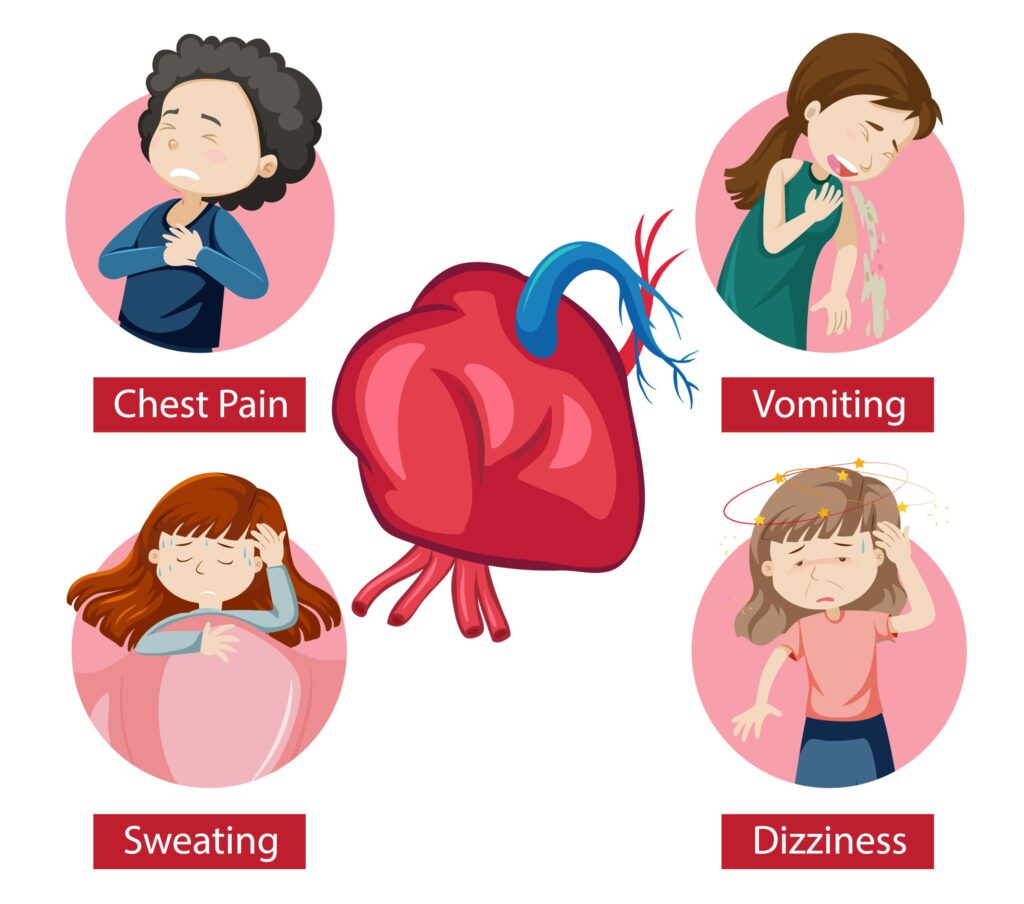
Seek urgent medical advice after rotablation if you develop the following:
- Chest pain
- Shortness of breath
- Fainting
- Heavy bleeding
- Rapid swelling at the puncture site
- Fever
- Irregular heartbeat
- Severe weakness
- Sudden leg pain or numbness
Early attention can prevent serious complications.
Access Site Healing: Wrist or Groin Recovery
In rotablation, the catheter is usually passed through the artery in the wrist or groin. Healing time ranges from a few days to 2 weeks, depending on the site and patient factors.
Here are some helpful care tips to consider:
- Keep the area clean and dry
- Avoid rubbing or pressure
- Do not lift heavy items early on
- Check for redness, warmth, or swelling
- Follow the dressing instructions carefully
Safe Activity Plan After Rotablation
It’s better to be moving slowly than to be standing still too long. Many patients do well with a structured return to activity.
Suggested Progression
- Short indoor walks during the first days
- Increase walking time slowly
- Gentle stair climbing if comfortable
- Avoid gym workouts initially
- No heavy lifting until cleared
When Can I Drive, Work, or Travel?
Timing after rotablation angioplasty depends on your condition and whether you had a heart attack, complex stenting, or symptoms earlier.
- Driving
Often delayed for a short period until safe reaction time and stability return.
- Work
Desk jobs may resume earlier than physically demanding work.
- Travel
Short travel may be possible sooner. Long-distance or international travel is often delayed by 2 weeks to 1 month, depending on recovery and the doctor’s advice.
Diet After Rotablation Procedure
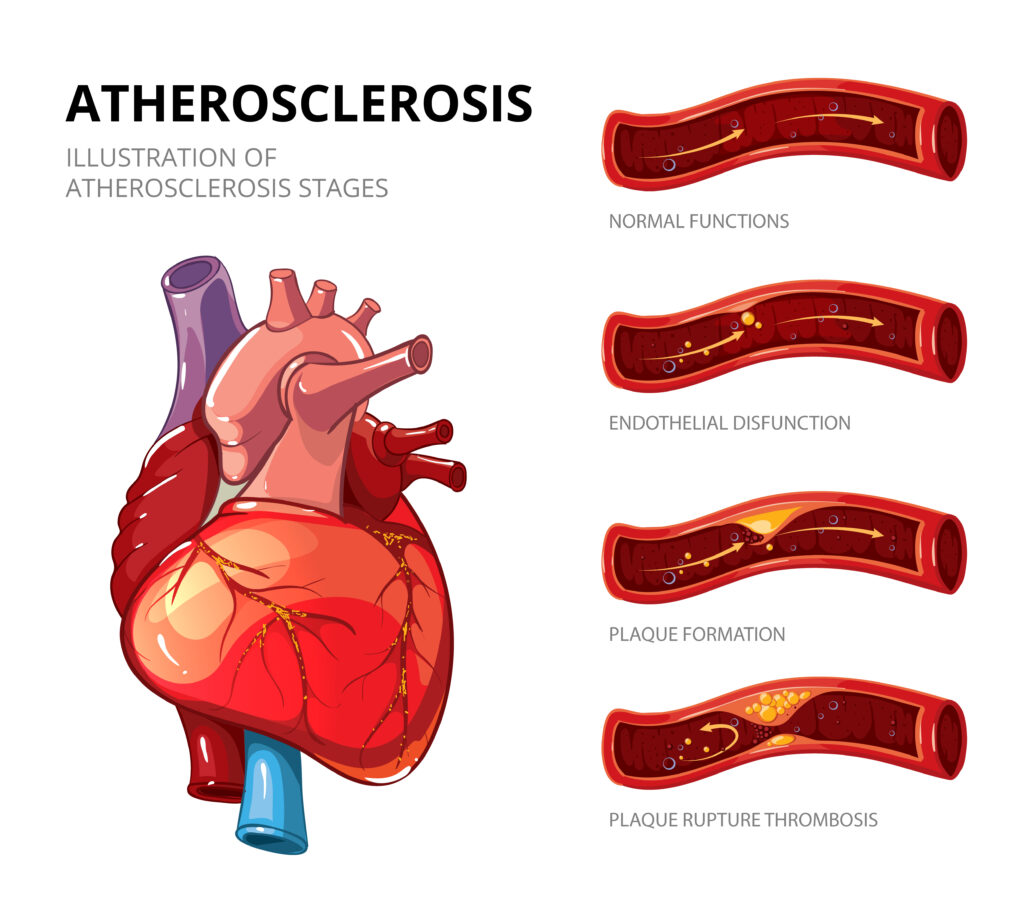
Diet is essential after this procedure because atherosclerotic disease can continue silently without lifestyle changes. Focus on:
- Vegetables and fruits
- Whole grains
- Lentils and beans
- Lean proteins
- Healthy fats in moderation
- Good hydration
Limit consumption of:
- Fried foods
- Processed snacks
- Excess salt
- Sugary drinks
- Heavy desserts
Why Hydration Is Important After the Procedure
Contrast dye is often used in rotablation. Drinking plenty of fluids can help the kidneys recover, at least in some patients.
Your doctor may tell you to limit the amount of fluid you drink based on your kidney function, tendency to swell, and history of heart failure.
Your doctor may guide fluid intake based on kidney function, swelling tendency, or heart failure history.
Medicines After Rotablation Angioplasty
Medicines are one of the most important factors for success after rotablation. These may include:
- Blood thinners to reduce clot risk
- Statins to lower cholesterol
- Blood pressure medicines
- Diabetes treatment, if needed
- Symptom control medicines
Managing Diabetes, Blood Pressure, and Cholesterol
Close follow-up is required in patients with diabetes or hypertension after the rotablation procedure.
If risk factors are not managed, future artery narrowing may accelerate. And they frequently necessitate monitoring and treatment adjustments.
Emotional Recovery After a Heart Procedure
Feeling anxious after rotablation is common. Some patients worry about symptoms, exercise, or another blockage. Helpful steps include:
- Asking questions during follow-up visits
- Walking regularly within limits
- Family support
- Following a routine
- Discussing persistent anxiety with your doctor
Follow-Up Care After Rotablation Procedure
Regular follow-up helps ensure safe recovery and long-term results. Your cardiologist may review:
- Symptoms
- Blood pressure
- ECG if needed
- Cholesterol levels
- Kidney function
- Medication tolerance
- Exercise progress
Never skip appointments if you have ongoing symptoms.
Comprehensive Coronary Care with Dr Omar Aziz Rana
Complex calcified coronary blockages demand advanced judgement, technical skill, and careful aftercare planning. Dr Omar Aziz Rana is an expert in assessing patients who need rotablation angioplasty, coronary interventions, and long-term heart health management.
A personalised treatment plan can make recovery safer and more effective.
FAQs
Can elderly patients undergo a rotablation procedure?
Yes, many elderly patients can undergo rotablation after careful medical assessment.
How can I manage pain after the procedure?
Some mild soreness at the access site is normal. Follow your doctor’s advice and report any increase in pain.
Can I travel after rotablation angioplasty?
Most patients can travel once they recover, but long trips must be cleared by their cardiologist.
What should I do if I miss a follow-up appointment?
Reschedule your appointment as soon as possible to keep your recovery moving forward.
Can I have a rotablation procedure with other health conditions?
Yes, many patients with diabetes, kidney disease, or previous heart problems may be suitable after specialist review.
Can I fast after a rotablation procedure?
Always consult your cardiologist before fasting, especially immediately after the procedure.