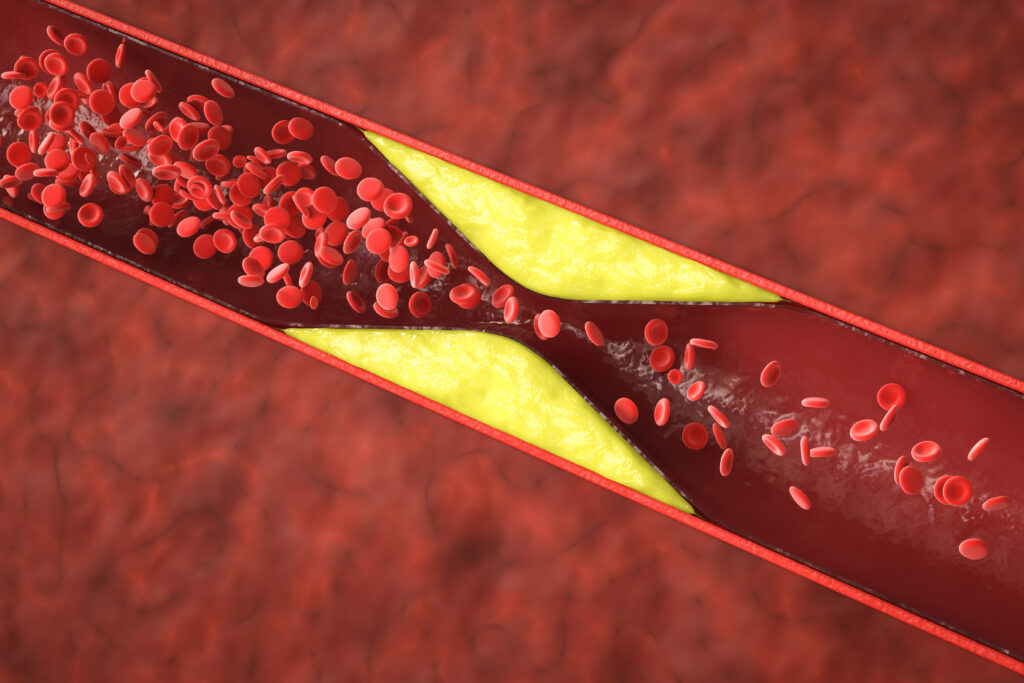
Coronary artery disease is still one of the most common and serious heart diseases among patients in Pakistan. Many coronary blockages can be treated by standard angioplasty and stenting, but some patients have heavily calcified arteries that require more advanced intervention techniques.
Rotablation represents a major breakthrough in modern management of complex cardiac cases. Rotablation is revolutionising the management of complex cardiac artery disease in Pakistan.
Understanding Complex Coronary Artery Disease
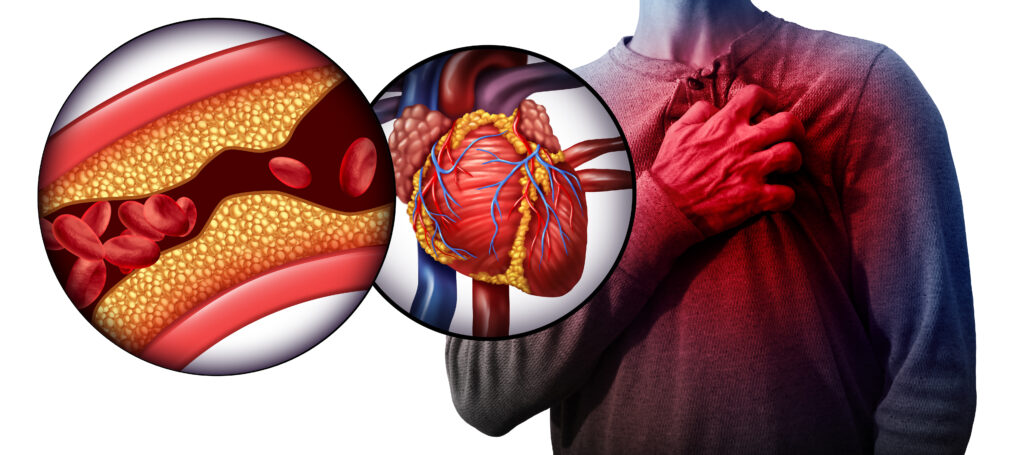
Complex coronary artery disease is defined as the presence of heavily calcified, extensive, or difficult-to-access plaque within the coronary arteries with routine angioplasty techniques. These hardened blockages can greatly reduce the flow of blood to the heart and raise the risk of chest pain, heart attack, shortness of breath, and long-term cardiac complications.
In many patients, traditional balloon angioplasty alone may not be sufficient because calcium deposits prevent balloons and stents from expanding properly. This is where rotablation has been an important advance in interventional cardiac care.
What Is Rotablation?
Rotablation, also known as ‘rotational atherectomy’, is a specialized minimally invasive procedure used to treat heavily calcified coronary arteries. The technique involves the use of a tiny diamond-coated rotating burr that carefully modifies hardened plaque inside the artery.
Rather than removing the artery blockage surgically, the device gently breaks down calcified deposits into microscopic particles that safely pass through the bloodstream. This allows the artery to become more flexible and improves the success of angioplasty and stent placement.
How the Rotablation Procedure Works
Rotablation is performed as part of a coronary angioplasty procedure in a specialised cardiac catheterisation laboratory.
- Coronary Access
A small catheter is threaded through an artery in the wrist or groin and carefully threaded to the affected coronary artery.
- Plaque Modification
The high-speed rotating burr is fed into the calcified obstruction, gradually altering the hardened calcium deposits that block blood flow.
- Vessel Preparation
Once the plaque is treated, the artery becomes easier to expand with balloons and coronary stents.
- Stent Placement
Then, a coronary stent is placed to help keep the artery open and restore normal blood flow to the heart muscle.
Why Rotablation Is Changing Heart Treatment in Pakistan
The addition of rotablation has added a great deal to the options of treatment for patients with severe coronary artery disease in Pakistan.
- Minimally Invasive Alternative to Open-Heart Surgery
In selected patients, rotablation-assisted angioplasty may make bypass surgery unnecessary by enabling specialists to treat difficult coronary lesions with catheter-based techniques.
- Better Outcomes in Calcified Coronary Disease
Calcified coronary arteries have historically been among the most difficult conditions to treat successfully with standard angioplasty alone. Rotablation improves vessel preparation and supports more effective stent deployment.
- Advanced Cardiac Care in Pakistan
The increasing availability of advanced coronary procedures is a testament to the ever-evolving cardiac healthcare services in Pakistan, particularly in specialised cardiac centres.
- Improved Treatment for Elderly and High-Risk Patients
Patients at higher risk with major surgery are older patients and those with multiple medical problems. Rotablation provides an important minimally invasive option in selected patients.
Advantages of Rotablation for Coronary Artery Disease
Rotablation offers several important clinical and patient-related benefits.
- Better Stent Expansion
Adequate stent expansion is a prerequisite for long-term procedural success, particularly in heavily calcified arteries.
- Accurate Management of Calcified Plaque
The procedure specifically targets hardened calcium while preserving healthy vessel tissue.
- Faster Recovery Compared to Surgery
Since rotablation is minimally invasive, patients often experience shorter hospital stays and quicker recovery times.
- Improved Blood Flow to the Heart
Opening severely narrowed arteries helps restore oxygen supply to the heart muscle and may reduce symptoms such as chest discomfort and breathlessness.
- Support for Complex Coronary Intervention
Rotablation improves the success of angioplasty in patients with challenging coronary anatomy.
Who Can Benefit from Rotablation?
It may be indicated for patients with the following:
- Heavy calcification in the coronary arteries
- Coronary artery disease, multivessel
- Failed conventional angioplasty
- Coronary lesions resistant
- Recurrent coronary stenosis
- Coronary high-risk anatomy
- Multiple occlusions of the coronary arteries
Every patient requires a detailed cardiac evaluation before determining whether rotablation is the most suitable treatment option.
Why Choosing the Right Cardiac Specialist Matters
Treatment of complex coronary artery disease requires sophisticated skill, precision, and experience in minimally invasive cardiac procedures. Successful rotablation depends not only on technology but also on careful patient selection, procedural planning, and long-term cardiac management.
Dr Omar Aziz Rana specialises in advanced coronary intervention and patient-centred cardiac care for patients with complex heart problems, including severe cardiac artery disease requiring specialised treatment approaches.

Advanced Coronary Care in Lahore
With continued advancements in interventional cardiology, patients now have greater access to modern minimally invasive heart procedures. Early diagnosis and timely treatment remain critical for preventing complications associated with coronary artery disease.
Patients experiencing chest pain, shortness of breath, fatigue, or reduced physical endurance should seek professional cardiac evaluation to determine the most effective treatment plan for their condition.